



 Highest Point


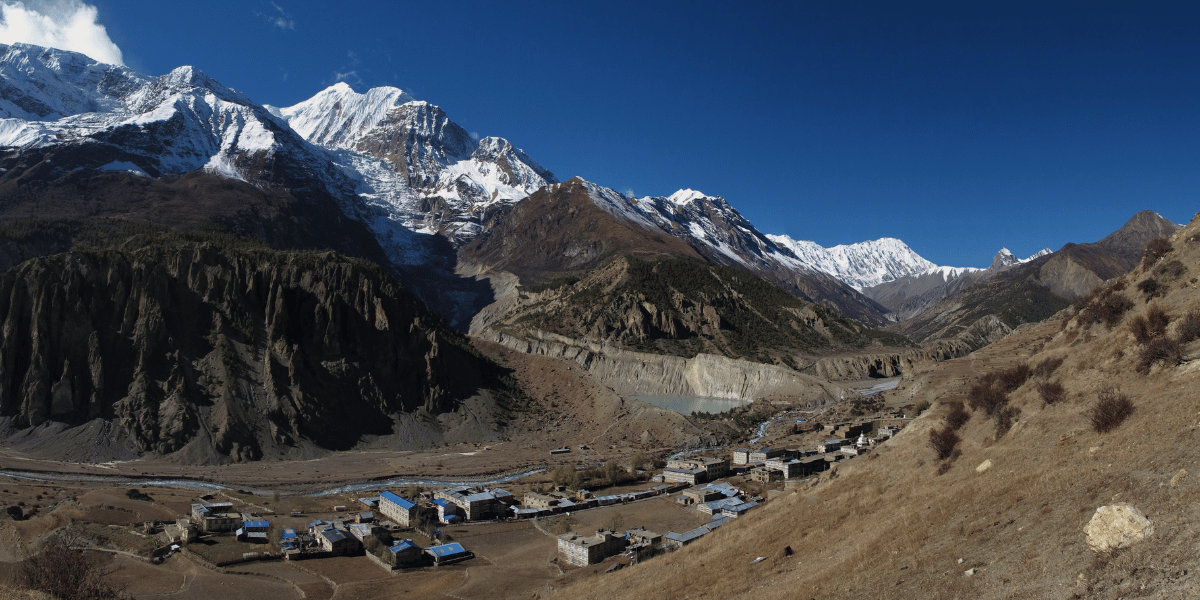
Manang is one of the most beautiful villages in the Annapurna region and one prominent stop during the Annapurna circuit trek. The village at an elevation of 3,540 meters is enclosed by the majestic Annapurna II, Gangapurna, Tilicho Peak and others.
It has always been a popular place among the locals as well as foreign tourists. Considering the recent hype for this destination among Indian tourists, this package, “Nepal Manang Tour Package" is designed and has seen the light today.
On this tour, at first you explore Kathmandu’s ancient temples and the living heritage around them, then you get pushed through landscapes that keep changing day by day. You go past lush green valleys, loud cascading waterfalls, and dense alpine forests and later those plain, stark, high-altitude, desert-like stretches until you reach Manang. In the end, you get a calmer, well deserved break with sightseeing and some slow lakeside time in the pretty city of Pokhara.
Major Tour Attractions
The Nepal Manang Tour Package for Indian Citizens is not only about Manang as the destination itself but also various other popular tourist sites in Nepal to make sure that you don’t miss out on religious, historical, cultural and natural aspects of the country.
Kathmandu: Temples, Stupas and Living Heritage
When you arrive in Kathmandu, it welcomes you into a place where ancient heritage and everyday life are always, sort of, side by side. The capital is home to a handful of UNESCO World Heritage Sites, and each one gives you a different look into Nepal’s spiritual vibe and cultural identity.
- Pashupatinath Temple: One of the holiest Hindu temples in the world, dedicated to Lord Shiva, where the sacred Bagmati River flows by ancient cremation ghats and devotees gather year round.
- Boudhanath Stupa: One of the largest stupas on earth and a major center for Tibetan Buddhism, where prayer flags flutter in the wind and pilgrims walk continuous circuits around the dome.
- Swayambhunath Stupa: Often called the “Monkey Temple”, this hilltop stupa offers panoramic views of the Kathmandu Valley, plus centuries of Buddhist legend, mixed with architecture that just feels timeless.
- Kathmandu Durbar Square: A historic plaza of palaces, courtyards, and temples that once functioned as the seat of Nepal’s royalty, and it showcases exquisite Newari architecture and craftsmanship.
The Road Less Traveled: Through Valleys, Villages and Waterfalls
Your journey toward Manang starts with a scenic drive from Kathmandu, but it’s sort of like the whole world changes as you go. At first there’s the noise and bustle of the city, then gradually you slip into the calm of the rural countryside.
The route passes through rolling hills, winding rivers, dense forests, and small, quiet villages, so the background keeps shifting almost without you noticing it.
As you keep along the Marsyangdi River valley, the views don’t just stay pretty; they keep changing. You’ll see cascading waterfalls and terraced farmlands carved into the slopes, and farther off, the Himalayan peaks begin to appear more clearly.
Along the way the road threads through a set of towns and villages, including Dumre, Besisahar, Syange, Jagat, Tal, Dharapani, Bagarchhap, Timang, Chame, and Pisang. Besides, the dramatic Syange Waterfall, Chamje Waterfall, and the cliffside waterfall above Tal village mark some of the most memorable stretches of the drive.
With each bit of elevation you gain, the drive gets more and more intense, giving you wide mountain panoramas that quietly raise your expectations for what comes next in Manang.
Inside Manang: Culture, Lakes and Himalayan Grandeur
Arriving in Manang feels like you’ve stepped into one of the most striking high altitude valleys in the Annapurna region, surrounded by snow capped peaks and soaked in a Tibetan-influenced culture. When you walk through the village, you can see everyday life happening the usual way, prayer wheels turning, chortens standing quietly, and those stone plus timber homes that line the streets, no real fuss.
For natural highlights, the two most popular and nearby are Gangapurna Lake and Ice Lake. Both are calm places, with scenery that just keeps changing as the light moves, and the mountain views are really hard to beat. From Manang, expect about 30 minutes to 1 hour for the round trip to Gangapurna Lake and 5-6 hours for the round trip to Ice Lake, depending on your pace.
If you feel like stretching your legs even more, there’s also a hike to Milarepa’s Cave (5.6 KM), a sacred meditation spot tied to the well known Tibetan saint.
And then, with that extra time in your hands, you can also push yourself a bit more toward Tilicho Lake, which is among the highest altitude lakes, sitting at more than 4,900 meters, and Tilicho Peak rising right behind it, like right there. Sure, it’s a longer detour, but it’s honestly worth it; for anyone who has the time and the legs, adding three more days surely makes a big difference.
Beyond Manang: Traditional Gurung Settlement, Ghandruk
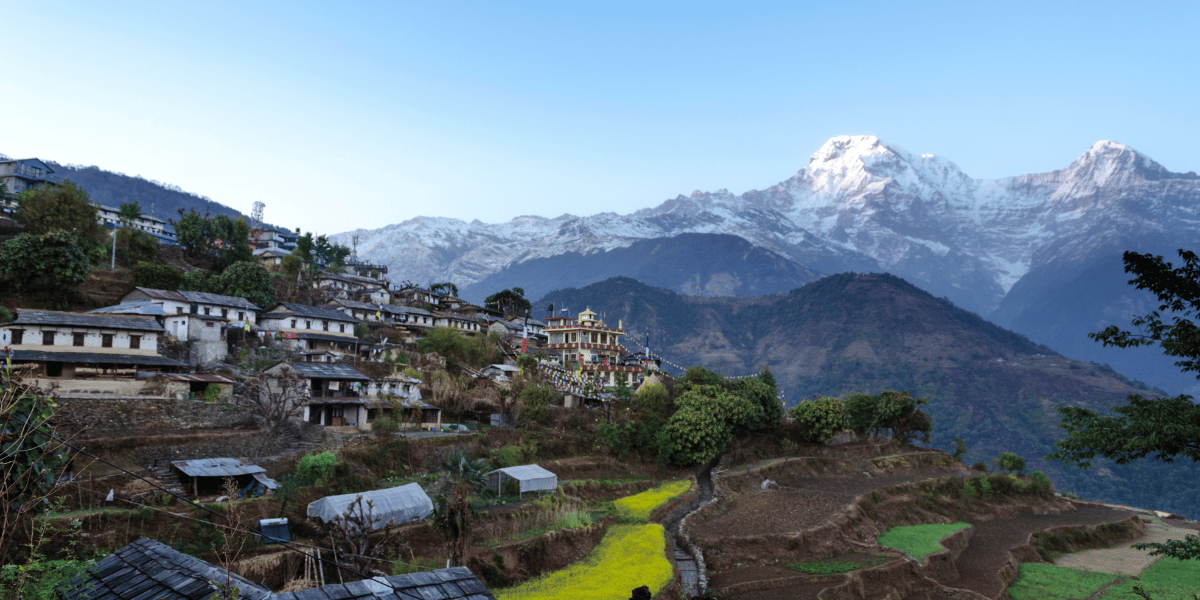
Maybe you thought our ride was done right there? But no, keep reading; there is still another place to go. When you head back toward Pokhara, you will also stop in Ghandruk, which is one of those really traditional Gurung settlements in Nepal.
It sits up on a hillside, with the Annapurna range lifting up dramatically right behind it, and somehow everything looks arranged; the stone houses are neatly stacked, the roofs are slate, and the stone paved pathways sort of curve through the village, making it feel like walking through a maze.
Besides the stunning close up scenes of Annapurna South and Machhapuchhre, Ghandruk gives you a real feel of Gurung culture thanks to a small Gurung museum in the village. You can stroll around, get a cup of tea in one of the teahouses and finish up with one of those big mountain views.
Pokhara: Lakeside Serenity and Mountain Panoramas
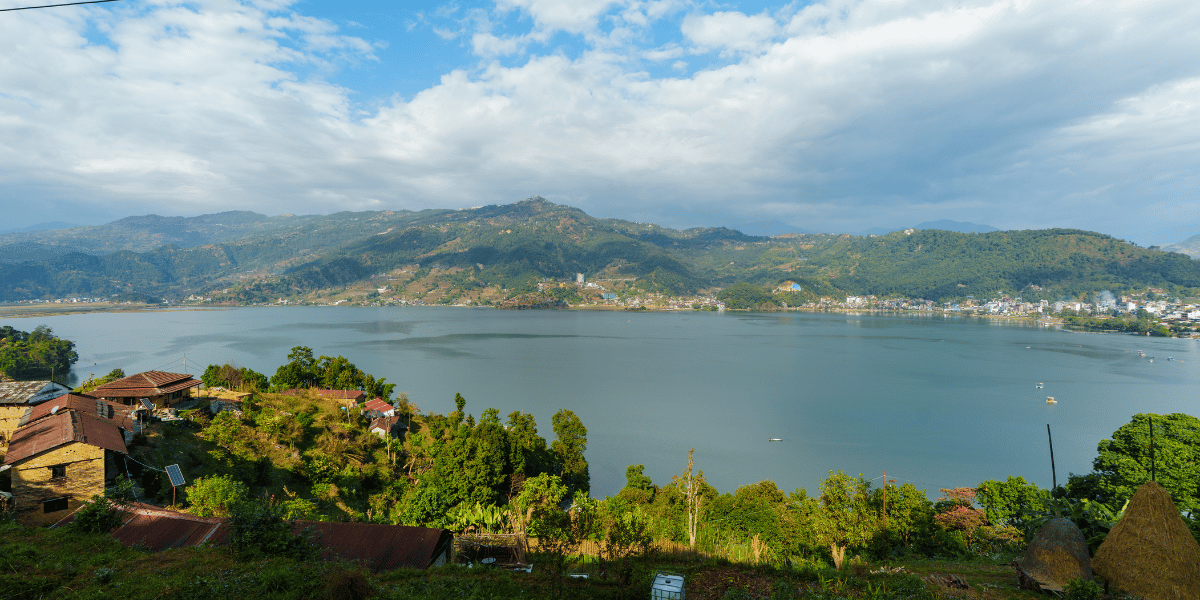
Coming back to Pokhara at the end of your mountain trip feels like the whole thing is a reward in itself. It’s famous for that chill lakeside vibe and views of the peaks without a lot of stuff in the way. So, you get this good mix of quiet resting and easy sightseeing without rushing too much.
- Sarangkot View Point: One of those well-known sunrise places, where you can get wide sweeping sights across the Annapurna range, Machhapuchhre, and Dhaulagiri all at once. Along with that, a glorious sunrise view over these grand Himalayas.
- Bindhyabasini Temple: A calm hilltop sanctuary for Goddess Bhagwati, and locals often go there for early morning prayers.
- Gupteshwor Mahadev Cave and Davis Falls: A really interesting cave network connected with a forceful waterfall. The Pardi Khola drops hard into a sinkhole first, and then it basically vanishes underground, which is honestly pretty dramatic.
- Pumdikot Shiva Statue and World Peace Pagoda: These two landmark spots sit up on the hills and give you a peaceful setting. One, Pumdikot Shiva Statue, dedicated to Lord Shiva and frequented mostly by Hindu pilgrims. The other, World Peace Pagoda, resides nearby the Shiva Statue and is frequented by Buddhist pilgrims. The views from these hills stretch over Phewa Lake and also the Pokhara Valley in a way that feels wide and breathy at the same time.
- Phewa Lake with Taal Barahi Temple: These two sites together are the center of Pokhara, a scenic lake where a Hindu temple sits in the middle on a small island. Taking a boat across the still water to the Tal Barahi island temple is just one of those classic moments, especially when the mountains reflect on the surface, as if they're painted there.
Not a Quick Trip: What makes Manang take longer?
Manang isn’t one of those places you can just rush through, and honestly that’s part of why it feels so special. There are a few things in play, and they all kind of ask you for extra time, more patience, and real planning compared with destinations in Nepal that are easier to reach.
Remote Area
Manang sits deep inside the Annapurna region, far off from big towns, and the only way in is through long mountain roads. Because it’s remote, you will notice less modern comfort around, longer gaps between stops, and a slower overall tempo. That same slowness protects the calm vibe, but it also means the journey itself takes a lot of time, not just a casual drive and done.
Acclimatization
At around 3,540 metres, Manang is high enough that acclimatization really matters. Travelers should give their bodies time to get used to thinner air before pushing onward or before doing side trips like Gangapurna Lake or Ice Lake.
If you skip that, or you rush it too much, altitude discomfort can show up, and then the plan sort of breaks. So having built-in rest days, plus proper acclimatization, isn’t optional; it’s part of a sensible itinerary out there.
Long Travel Duration
From Kathmandu you’re looking at a scenic but long drive, and then there are stops along the way in the mountain village Koto. After that, you also return through Pokhara stopping by Besisahar and Ghandruk. When you add it all up, travel time grows quickly. The roads are twisting, the terrain is stubborn, and weather changes can stretch everything even longer. So, instead of being a quick weekend thing, the whole Manang experience naturally spreads over many days, whether you want it or not.
So, the Nepal Manang Tour Package is not only a visit to one spot but more like a full roaming sweep across some of Nepal’s most iconic views, traditions, and mountain communities. It’s made for travelers who want depth, variety, and authenticity, but in one single plan that actually feels well organized, even when the days are packed.