
close

Nepal Muktinath Tour Package with Ghandruk

5.0 - Excellent in TripAdvisor
Recommended by 99% of travelers

Our 8-day Nepal Muktinath tour package with Ghandruk is the best possible trip plan, which offers to explore Kathmandu, Pokhara, Muktinath, Lower Mustang and Ghandruk village all together.

  • Trip Code
    Trip Code NMTPWG
  • calendar
    Duration 8 Days
  • highest-point Highest Point 3800 M
  • group
    Group Size 2-10 People
  • start
    Start Point Kathmandu
  • end
    Trip End Point Kathmandu
  • accomodation
    Accommodation As Mentioned
  • meal
    Meals As Mentioned
  • transport
    Transportation On Private

Trip Overview

Nepal is a country that has incomparable natural beauty, cultural diversity, and religious practices that are very deep. From the towering mountains covered with snow to the vibrant alleys and old temples of its valleys, Nepal offers an incredible opportunity to the travelers. 

The Nepal Muktinath Tour Package with Ghandruk is an organized tour that allows you to see the spiritual side of Nepal together with its natural beauty and village life.

The itinerary consists of the visits to Kathmandu and Pokhara, the two most popular tourist cities of Nepal, followed by a holy trip to Muktinath Temple, a holy place that is equally venerated by Hindus and Buddhists.

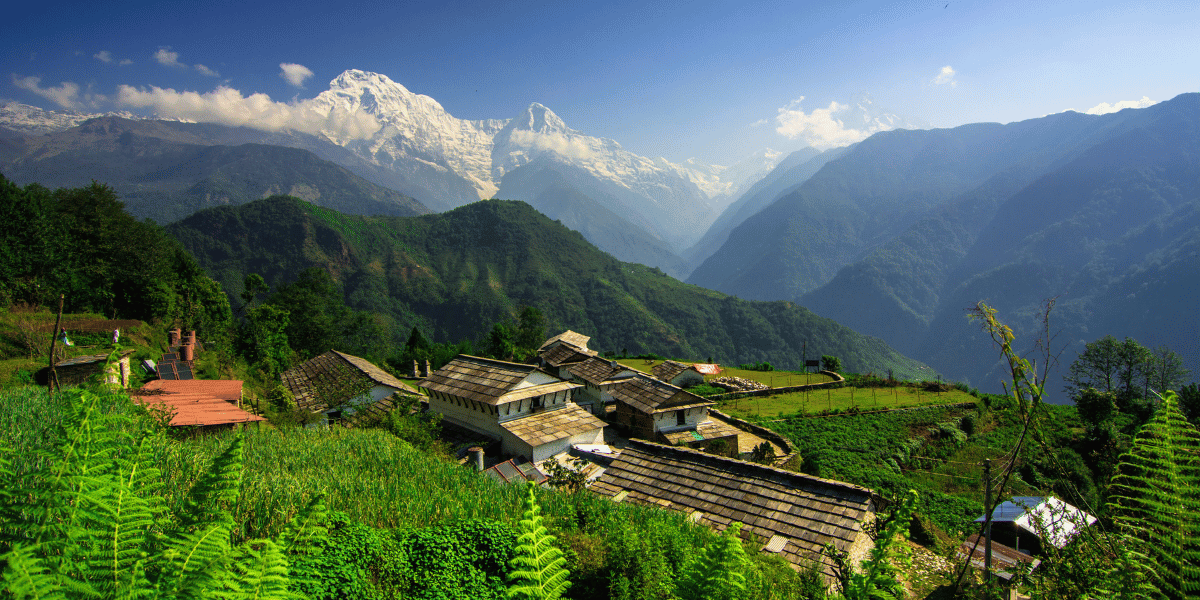
A one night stay at Ghandruk, a traditional Gurung village, is another exciting part of this tour. You, as a tourist, will be able to experience the local culture, the hospitality of the people, and the breathtaking scenery of the Annapurna ranges. 

Are you ready to take on this exceptional tour just right for you? Let's get more into it.

The Essence of Nepal: A Spiritual, Cultural, and Scenic Experience

As this tour involves visiting Nepal's two most popular tourist cities and the serene villages of the Annapurna area, it is a perfect option for Buddhist and Hindu devotees, cultural travelers, nature enthusiasts, and anyone seeking to experience something of Nepal. 

Exploration of Spiritual Sites 

The trip is a spiritual one that enriches the soul, taking the tourists to the most sacred places of worship in Nepal of both Hindu and Buddhist religions and letting them experience the atmosphere of devotion, peace, and religious tolerance. 

Muktinath Temple

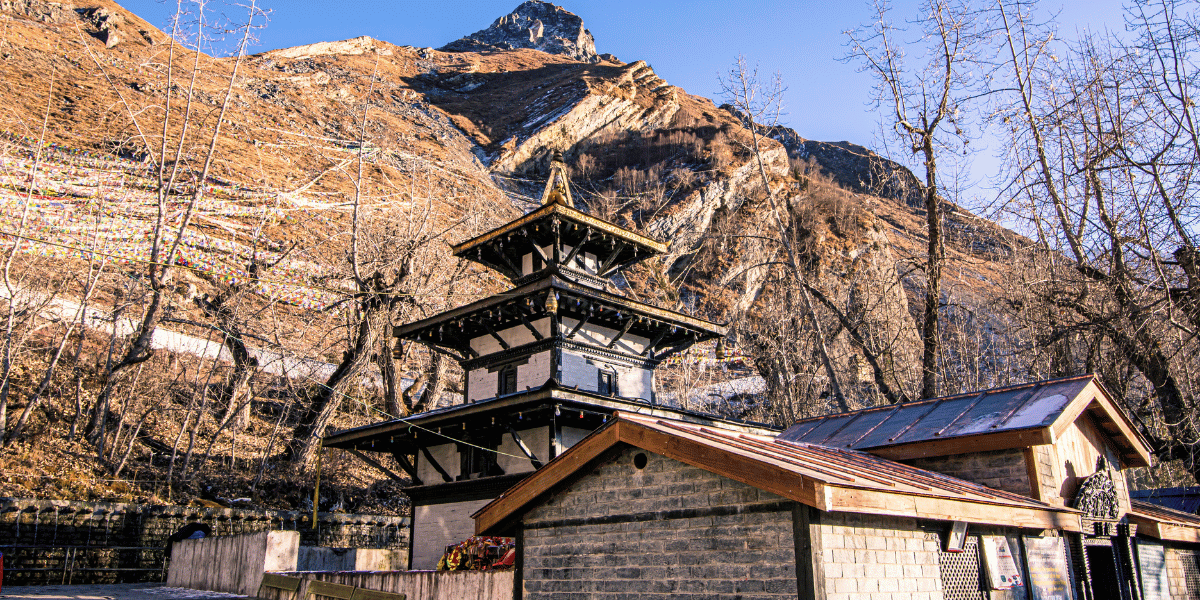
This high altitude temple which is considered among the most important sacred sites of Nepal by both Hindus and Buddhists, is the focus of this trip. Muktinath, situated at a height of 3,800 meters in the Mustang area, is thought to be a site of redemption.

Hindu devotees carry out the rituals of darshan, puja and bathing under the 108 holy water spouts, which is a practice that is believed to get rid of sins and offer salvation. The tranquil environment and divine atmosphere of the temple are indeed capable of changing a person completely.

Kathmandu and Surroundings

The trip encompasses the most important religious sites of the Kathmandu Valley, such as:

  • Pashupatinath Temple, the most holy place of worship for the Hindu god Shiva, where the practices of cremation are still performed next to Bagmati River.
  • The sightseeing also covers Doleshwor Mahadev, which is considered to be part of Kedarnath's body. 
  • The Kailashnath Mahadev Statue, located in Sanga, is  the tallest statue of Lord Shiva in Nepal and ranks fifth tallest in the world. 
  • Bhaleshwor Temple at Chandragiri Hills, where spiritual peace and stunning views come together. 

Sacred Sites of Pokhara

In Pokhara, the mixing of the divine with the breathtaking landscape is very evident. The major locations are:

  • Bindhyabasini Temple, dedicated to Goddess Bhagwati, is among the oldest and the most revered temples of Pokhara, a site that locals greatly respect.
  • Taal Barahi Temple, majestically located right in the center of the Phewa Lake, is dedicated to Goddess Barahi, which is also the most important place of worship in Pokhara. 

The Buddhist Sites 

Apart from that, the trip will also cover the two stupas Boudhanath and Swayambhunath, which are the main Buddhist pilgrimage sites in Nepal as well. These holy places are full of colorful prayer flags, monks performing their chants, and people turning the prayer wheels, all of which create a peaceful and meditative environment that enhances the spiritual experience of the tour dramatically.

Cultural Experience

The trip presents a considerable cultural immersion and showcases Nepal's multifaceted culture, its traditional architecture and the everyday lives of the locals. 

The Living Museums: Newari Artistry

A very delightful and informative guided walk through Bhaktapur Durbar Square and Patan Durbar Square reveals the finest Newari artistry and the most astounding collections of the ancient palaces, temples and cultural practices that are still very much alive and have been preserved for centuries.

The Gurung Heritage: Ghandruk Village

Another major point on the cultural part is the visit to Ghandruk Village, a traditional Gurung settlement in the Annapurna region. Besides walking along the stone-paved pathways, watching the traditional houses and having some interactions with the villagers offer an authentic window into the life of the rural Himalayan area. 

Daily ways of Life

The tour gives the tourists the opportunity to see various activities such as daily rituals, the celebration of festivals (In festive seasons), prayer ceremonies, and even local customs from the city of Kathmandu to the Himalayan Annapurna region.

Scenic and Natural Highlights

Aside from the religious and cultural part, this trip also contains natural beauty as well, which is going to provide the travelers with landscapes that are changing all the time, from green valleys to Himalayan heights. 

Enroute scenery: Rivers and Waterfalls

The drives through Kathmandu to Pokhara, from Pokhara to Muktinath and over to Ghandruk disclose rivers, waterfalls, deep gorges, terraced hills, and mountains that are just beautifully striking. Rupse Waterfall, which is one of the attractions on the route from Pokhara to Muktinath, is a wonderful example of the scenic beauty that characterizes this scenic route. 

The Himalayan Giants

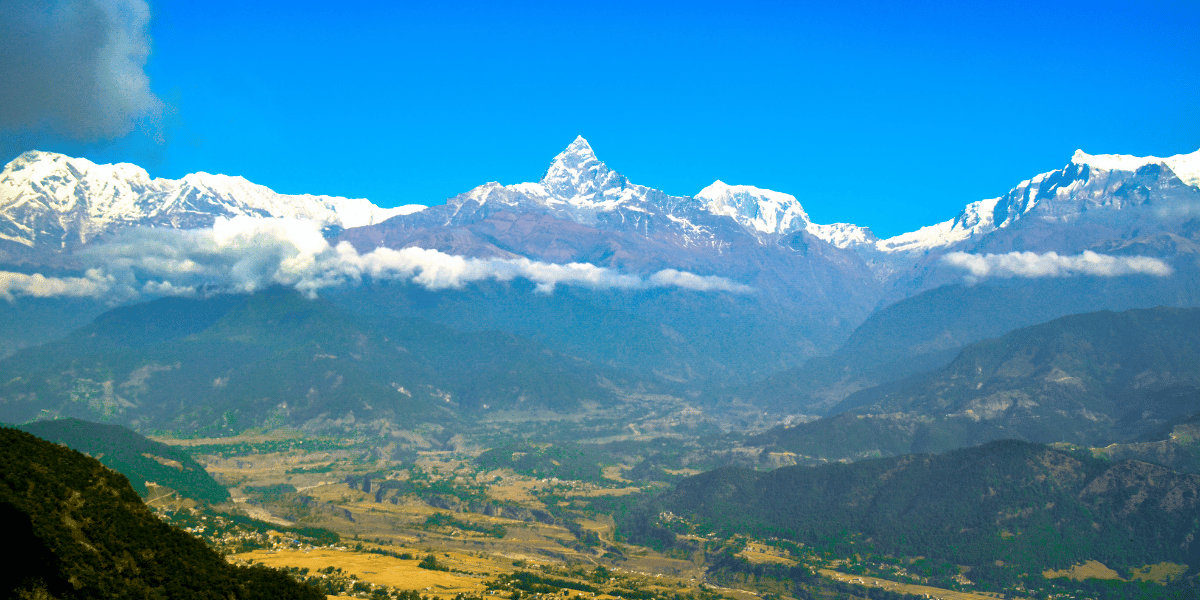
The trip to Muktinath is full of the dazzling views of the Annapurna and Dhaulagiri ranges, whereas the Mustang area, with its high altitude, makes the mountains look rough and the skies very clear. The visitors in Ghandruk have the privilege of seeing the enchanting sunset and sunrise over the peaks of Annapurna South, Hiunchuli, and Machhapuchhre (Fishtail).

The High Desert: Mustang and Muktinath

Contrary to the lush forests of Ghandruk, Mustang is a high-altitude desert. The sharp contrast between the dry hills and the deep blue sky leaves you stunned. While getting here, basically, you will pass through the world's deepest gorge. The bottom of the valley is wide and covered with stones and is surrounded by the gigantic ranges of Annapurna I and Dhaulagiri (both more than 8,000m).

Perspectives from Above: Cable Car Views

Cable-car rides to Manakamana and Chandragiri Hills are all natural attractions that open the door to the scenic experience even more. Manakamana provides a sight of the profound river valleys along with the far-off giant mountains of Manaslu and Annapurna. A total of 180 degrees of view of the whole Himalayan range can be seen from Chandragiri hills, if the day is clear.

Read More

Trip highlights

  • A private and customized trip.
  • Explore the major UNESCO world heritage sites in Kathmandu.
  • Pashupatinath and Muktinath Temple Darshan. 
  • Chandragiri hill visit by a scenic cable car ride. 
  • Experience the holy bath under the 108 water spouts at Muktinath.
  • Explore the traditional Gurung village of Ghandruk and enjoy mountain sunsets.

Outline Itinerary

DAY 1: Arrival in Kathmandu, Welcome to Nepal.

DAY 2: Drive to Pokhara.

DAY 3: Drive to Muktinath, Visit Muktinath Temple.

DAY 4: Drive to Ghandruk, Village Exploration.

DAY 5: Drive to Pokhara, Pokhara Sightseeing.

DAY 6: Drive to Kathmandu, Leisure Time.

DAY 7: Kathmandu Sightseeing.

DAY 8: Transfer to Airport.

Detailed Itinerary

Expand all
Day 1

Arrival in Kathmandu, Welcome to Nepal.

trip-accomodation Hotel Tibet
trip-meals Dinner Included.
Day 2

Drive to Pokhara.

trip-accomodation White Pearl
trip-meals Breakfast and Dinner Included.
Day 3

Drive to Muktinath, Visit Muktinath Temple.

trip-accomodation Hotel Mustang
trip-meals Breakfast and Dinner Included.
Day 4

Drive to Ghandruk, Village Exploration.

trip-accomodation Local Lodge
trip-meals Breakfast and Dinner Included.
Day 5

Drive to Pokhara, Pokhara Sightseeing.

trip-accomodation White Pearl
trip-meals Breakfast and Dinner Included.
Day 6

Drive to Kathmandu, Leisure Time.

trip-accomodation Hotel Tibet
trip-meals Breakfast and Dinner Included.
Day 7

Kathmandu Sightseeing.

trip-accomodation Hotel Tibet
trip-meals Breakfast and Dinner Included.
Day 8

Transfer to Airport.

trip-meals Breakfast Included.

Package Cost

With 3 Star Deluxe Hotels

Group Size

Cost Per Person

2-3 People

60,000 INR

4-6 People

55,000 INR

7-10 People

50,000 INR

Price Includes

  • Airport pick-up and drop-off.
  • Private vehicle with A/C for all mentioned transportation and sightseeing.
  • Kathmandu to Pokhara and Pokhara to Kathmandu transfer by private vehicle. 
  • Pokhara to Ghandruk and Ghandruk to Pokhara transfer by 4WD jeep. 
  • All (7 nights) hotel accommodations are based on double/triple sharing deluxe rooms. (3 Star)
  • Daily breakfast and dinner at the hotel. (7 dinners and 7 breakfasts)
  • One local SIM card (returnable) during your stay.
  • Driver's allowances, salary and fuel cost.
  • Sufficient amount of mineral water during the trip.
  • ACAP permit to visit Ghandruk and Muktinath. (need a digital photo of yours)
  • All government and local tourism taxes.

Price Excludes

  • Nature of personal expenses.
  • International flight tickets.
  • Lunch isn’t included.
  • Sightseeing entrance fees. (Approx. INR 3000 per person, pay directly)
  • Services that aren't mentioned above.

Travel Guide and Tips

To help you plan an unforgettable journey from India to Nepal, this travel guide and tips section covers all the necessary things you need to take into consideration, from essential money/currency tips to the most favorable times to visit, required travel documents, and much more.

Trip Booking Process

At Holidays to Nepal, we make booking your trip easy with a straightforward process designed to best suit your travel needs. Listed below are our five simple and easy to follow steps that you can use to book your next ultimate adventure!

STEP 1: Share Your Travel Requirements.

In order to book a travel package with Holidays to Nepal, you have to first send us your travel requirements, which include sharing details like your desired destination(s), preferred travel dates and duration, number of travelers, hotel category, arrival/departure date, and your contact information. 

For this, you can simply reach out to us through our WhatsApp number: +977-9851166779 or Email us at [email protected]. After this, we’ll send you a basic travel package, which is made on the basis of your travel requirements and will include your itinerary details, inclusions/exclusions, sightseeing destinations, total cost, and other necessary information. 

STEP 2: Review and Customize Your Package.

You can then review this package and make any changes (if required). If there are any modifications that are to be made, we’ll then work on all those aspects, customize it to your needs, and resend you the final revised quotation. 

After making the final changes, we’ll then reserve your hotels and update you with an invoice for the advance payment.

STEP 3: Make the Payment.

To move forward, we require an advance payment of INR 10,000 per person to proceed with the booking. After our team receives the advance payment, we’ll then confirm the reserved hotels and make all the other needed arrangements and communicate these essential aspects with you.

STEP 4: Receive the Revised Invoice.

After this, we’ll then share with you all the hotel booking vouchers, required flight tickets, and the revised invoice via WhatsApp or email.

Depending on your package, these may include the finalized quotation, hotel booking details, flight tickets, transportation details, and other essential details. We recommend you check all this information carefully, and if you notice any discrepancies, please inform our team, and we’ll be sure to make these needed changes. 

STEP 5: Settle Your Balance.

The remaining payment of the tour must be paid on the first day of arrival, and the company won’t be liable for any service disturbance due to the partial payment from the client’s end. 

Important Trip Note: Further, the clients or agent will be responsible for the unavailability of hotels and flights due to the late confirmation and advance booking payment. We recommend confirming your travel arrangements as early as possible, especially during peak travel seasons and public holidays.

Required Travel Documents for Visiting Nepal

Indian citizens do not require a visa when traveling from India to Nepal due to the Indo Nepal Treaty of Peace and Friendship signed in 1950. This allows citizens of both these nations to move freely between India and Nepal without requiring a visa. 

However, visa exemption does not mean that travelers can enter without appropriate identification. If you’re planning to visit Nepal, make sure that you carry these documents listed down below:

Adults (If you’re above 18)

Original Passport or Voter Card

Children and minors (If you’re under 18)

Passport or Birth Certificate/Adhar Card 

Money and Currency Tips

Setting a budget for any international destination can be a tricky situation, especially if you’re visiting a destination for the first time. While traveling to Nepal from India, it is necessary for travelers to plan their finances carefully. This includes understanding Nepal’s local currency, payment options, necessary travel costs, and money management strategies. 

Understanding Nepal’s Local Currency

Nepal’s official currency is the Nepalese Rupee (NPR), and although the Indian Rupee is accepted in many places (though restrictions related to denominations apply), Nepalese Rupee still remains the preferred currency for most daily transactions. 

Bringing Cash to Nepal

Indian and other foreign nationalities can bring USD 5000 in cash (or its equivalent in Indian currency or other foreign currencies) to Nepal without any custom declaration. An amount exceeding this requires a formal customs declaration and certification.

Additionally, in relation to Indian rupee transactions, Indian rupee notes of new denominations 200 and 500 can be brought, taken, and exchanged by Nepali or Indian citizens up to a limit of Indian rupees of 25,000 per person. Travelers can also bring Indian rupee notes of new denominations of 100 up to a limit of 5000 INR.

Likewise, Indian rupee notes of denominations 500 and 1000, which were used before, cannot be transacted. 

Note: Before traveling, we suggest you check the latest requirements listed on the official websites published by Nepal Rastra Bank if you plan to carry a substantial amount of cash. 

Your overall budget depends upon your desired destination, travel style, accommodation, shopping plans, and many other factors, so we recommend you set aside a suitable amount for your daily travel expenses when traveling in Nepal. 

Make Digital Payments using UPI in Nepal

For travelers who want to make online payments, Indian visitors can also make UPI (Unified Payments Interface) payments in Nepal in stores by scanning compatible Fonepay merchant QR codes. 

But please keep in consideration that this service is only applicable to participating merchant QR codes, so every QR code in Nepal will not work with an Indian UPI app. 

UPI apps like PhonePe, Google Pay, Paytm, and BHIM can pay in Nepal by enabling the “international payments” option in the app itself. 

Using ATMS and Bank Cards in Nepal

Indian travelers are also able to withdraw Nepalese rupees from ATMs in Nepal, but this depends upon the bank, card network, and ATM operator. 

Before your travel days, we suggest you check whether the card that you’re planning to use is applicable for international withdrawals. Additionally, credit and debit cards are accepted at many hotels, restaurants, and shopping malls, while smaller establishments and local vendors may prefer cash.

For convenience, Indian visitors can carry a combination of cash, a card, and an UPI app rather than just relying on one method of payment. 

Paying Instructions via NEFT: Step by Step Guide 

To complete the booking payment, you may use the NEFT (National Electronics Fund Transfer) facility through your Indian bank’s net banking services. Kindly, follow the instructions below to ensure that your payment is processed correctly. 

  • STEP 1: Log in to your Indian bank's net banking and initiate an NEFT transfer using the details above.
    ⚠️ Critical: The beneficiary name must match exactly (listed below) — any mismatch will cause the transaction to fail.
  • STEP 2: Save the payment receipt and share with us to verify. We will inform you within the next 24/48 hours. 

Beneficiary Details (use exactly as shown):

Field

Details

Beneficiary Name

Holidays To Nepal Private Limited

Beneficiary Account Number

SIDD55505894074

Beneficiary Bank

Standard Chartered Bank

IFSC Code

SCBL0036001

Bank Address

90 M G Road, Fort, Mumbai

Beneficiary Address

Lainchaur, Kathmandu, 3 State Nepal

Purpose of Payment

Nepal Tour Booking with HTN

Best Time to Visit Nepal for Indian Travellers

Nepal is a year round destination for Indian travellers, as this nation experiences five distinct seasons - spring, summer, monsoon, autumn, and winter. Among these, spring and autumn are generally the best seasons to visit this nation due to the pleasant climate, moderate temperatures, and favorable weather conditions. 

Whether you’re someone planning a short getaway trip to Kathmandu or seeking a relaxing holiday in Pokhara or perhaps looking to go on epic wildlife experiences in Chitwan, the best time to visit Nepal depends upon your own travel preferences, weather conditions, and planned activities.

Spring Season

Months: March to June 

Best For: Family holidays, couples, nature lovers, and short multicity tours. 

It’s true that Nepal comes the most alive during spring time (which begins from March to June), as the winter starts to fade, temperatures slowly start to rise, trees become vibrant green, and the air feels fresher. 

The pleasant day time weather creates the perfect atmosphere for visiting heritage sites, historic temples, monasteries, and local markets. Travelers planning to visit Kathmandu can also go on a combined trip to Pokhara and Chitwan to enjoy the seasonal beauty that spring brings to Nepal.

Autumn Season

Months: October to December

Best For: Cultural enthusiasts, adventure lovers, families, and friend groups.

Another recommended season to visit Nepal is autumn, which starts from October and lasts till December. Following the monsoon season, the weather becomes more stable, with less rainfall and clearer skies.

Due to the clear weather, these months are also good for hiking, trekking, and photography. Travelers can choose to explore historical, cultural, and spiritual attractions during these months. This season also generally coincides with major Nepali festivals like Dashain and Tihar, although exact dates may vary. 

Food and Dining Tips

Kathmandu offers a variety of Nepali, Himalayan-Tibetan, and local Newari dishes along with international dining options. A few popular dishes that you can try during your tour days in this city can include:

  • Dal Bhat: Consists of rice, lentil soup, mixed vegetables, pickles, and meat. Truly healthy and nutritious, this is a perfect way for travelers to learn about Nepali cuisine.
  • Momo: Juicy dumplings filled with either meat or veggies and served with a dipping sauce.
  • Thukpa: Noodles served in a savory broth, which is especially comforting to eat during colder months.
  • Samay Baji Set: An assortment of Newari dishes paired with chiura (beaten rice).
  • Sel Roti: Crispy fried bread made out of rice, especially prepared during festivals.
  • Laphing: Cold slippery noodles served with soy sauce and chili sauce.
  • Keema Noodles: Noodles served with meat and vegetables.

Essential Packing Tips

For this, please refer to the table down below:

Category

What to Pack

Travel Documents 

Passport or Voter ID, flight tickets, confirmation of hotel booking, and other essential travel documents

Clothing 

Depends upon the season you’ll be traveling but in general comfortable shirts, trousers, a waterproof jacket, shoes, nightwear, a hat, and socks

Medications & Toiletries 

Personal medications, a basic first aid kit, sunscreen, a reusable water bottle, and a hand sanitizer 

Electronics

Mobile phone, charger, power bank, and travel adapter (if needed)

Food 

Energy bars, dry fruits, instant noodles, juice boxes, and chocolates

Note: This is just a general packing guide. Your packing requirements may vary depending on your travel destination, season, and planned activities. If you’re planning to visit specific destinations or participate in outdoor activities in Nepal, be sure to pack accordingly.

Why Choose Holidays to Nepal?

What makes Holidays to Nepal stand out from other travel agencies in Nepal is its highly skilled, proficient, and knowledgeable experts, who have worked in the travel industry for over 15 years of experience.

With more than a decade of experience, HTN has accumulated extensive knowledge about the needs and requirements of Indian travelers. From arranging sightseeing destinations to booking hotels and flight tickets, our company provides only top notch services ensuring transparency, safety, and accountability every step of the way.

With more than 40+ tour packages, our itineraries are all customizable and tailored to suit your travel needs and preferences. To provide you with peace of mind throughout your journey, we also provide 24/7 dedicated support, so you can rest assured and enjoy your tour without any stress. 

In a similar manner, our company follows a “client-centred” approach, where we try to strive to build connections that extend just beyond a few phone calls and friendly meet and greets, by actively listening to all your travel inquiries and offering tailored advice every step of the way.

Frequently Asked Questions

What is the elevation gained in this tour?

Where is Ghandruk located?

Where is Muktinath located?

When is the best time to take this tour?

Is any trekking experience required to visit Muktinath and Ghandruk?

What is the trip booking process?

What is the airport pick up process upon arrival in Kathmandu?

What are the available payment options?

Is a visa required for an Indian to visit Nepal?

What are the booking terms and conditions with Holidays to Nepal?

Can we customize the trip according to our choice and preferences?

What are the major activities that I can do in Nepal?

Hotels