Yes, you can travel to Nepal by road from India as an Indian citizen, and you won’t need a visa for it. The border is open at many points, and tens of thousands of people cross it every single day!
But there is a catch that many first-time travellers miss. An “open border” doesn’t mean nobody checks you, and officials along parts of the border have actually been directed to deny entry to anyone carrying only an Aadhaar card.
So, before you pack your bags, you will need answers to a few questions. Which border should you use, and which documents will really be accepted? Can you take your own car or bike, or is a bus, train, or private vehicle the better choice for your trip?
In this guide, I will take you through all of it step by step in this guide on Nepal travel by road from India. I have also updated every rule section with the changes that came in 2026, so you are not working from old information. Let’s begin!
Can Indians Travel to Nepal by Road?
Yes, Indian citizens can travel to Nepal by road through several open border crossings, and no visa is needed.
What changes from one crossing to another is the facilities, the timings, and the paperwork, so that is what I will cover in the next few sections.
Understanding the India-Nepal Open Border
The India-Nepal border is about 1,751 km long, and it is an open border. This openness comes from the 1950 Treaty of Peace and Friendship, whose Article 7 allows free movement of people between the two countries.
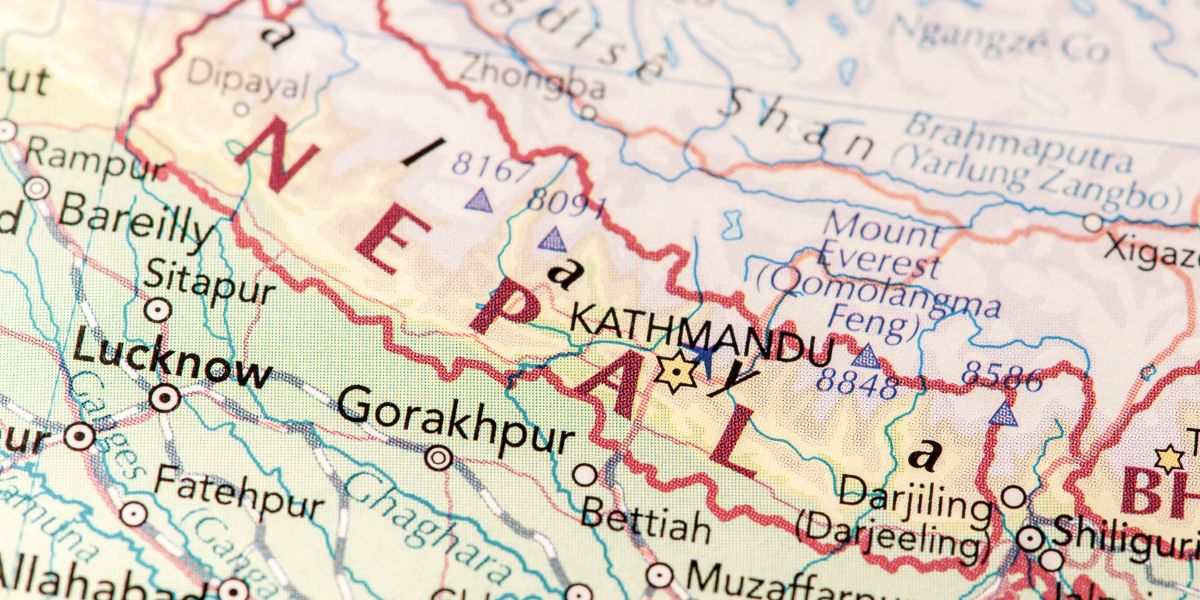
In practice, citizens of both countries can travel without passports or visas for most forms of cross-border movement. Here’s the thing, though. “Open” does not mean “unguarded”. Indian SSB and Nepal’s Armed Police Force run joint patrols along the border.
At Belahiya, security agencies have also increased surveillance to stop human trafficking, drug smuggling, and illegal currency exchange.
So, does this mean Nepal has put new restrictions on Indian tourists? No!
In May 2026, the Nepal Tourism Board said there is no new limit on how long Indian tourists can stay and that the open border system remains intact.
What did change is the paperwork. Nepal introduced an online system for vehicle entry, and India’s Home Ministry updated the ID rules for Indians crossing the border, which I explain in the documents section below.
Do Indians Need a Visa to Enter Nepal?
No, Indian citizens do not need a visa to enter Nepal.
But “no visa” and “no ID” are two very different things. The Indian Embassy in Kathmandu lists only two documents as valid for Indian nationals travelling by air: a valid Indian passport or an original voter ID card with a photograph.
A new rule also came into force on 5 November 2026. Indian citizens travelling to Nepal by land or air must now show at least one identity document specified in the government’s Visa Manual to an immigration officer.
The notification does not reproduce the full list of accepted documents, so I suggest carrying a passport or an original voter ID rather than guessing.
One more rule matters if you plan to go beyond Nepal! An Indian citizen who uses Nepal or Bhutan as a transit point to reach a third country (like China) must carry a valid passport.
India-Nepal Border Crossings: Which Border Should You Use?
Many crossings link the two countries, but a handful carry most of the passenger traffic. These include Raxaul-Birgunj, Sunauli-Belahiya, Jogbani-Biratnagar, Rupaidiha-Nepalgunj, Banbasa-Mahendranagar, and Panitanki-Kakarbhitta.
One clarification before the list: Indian citizens are not limited to six crossings, but these are the busiest and the most practical for a tourist.
Some crossings are also Integrated Check Posts (ICPs), which handle customs and immigration for third-country citizens.
Major Road Border Crossings Between India and Nepal
Here are the six crossings that matter most for a tourist, starting with the two I suggest most for Kathmandu, Pokhara, Lumbini, and Chitwan. For each one, I have listed the Indian state, the nearest railway station, and the Nepal destinations it opens up.
Nepal’s customs data shows that more than 2,000 Indian vehicles enter the country every day through six border points, which is why these six deserve the most attention.
Sunauli-Belahiya (Uttar Pradesh)
Sunauli (Sonauli) is about 95 km north of Gorakhpur, and the Nepal side is called Belahiya. Bhairahawa, the nearest Nepali city, is only about 5 km from the border.
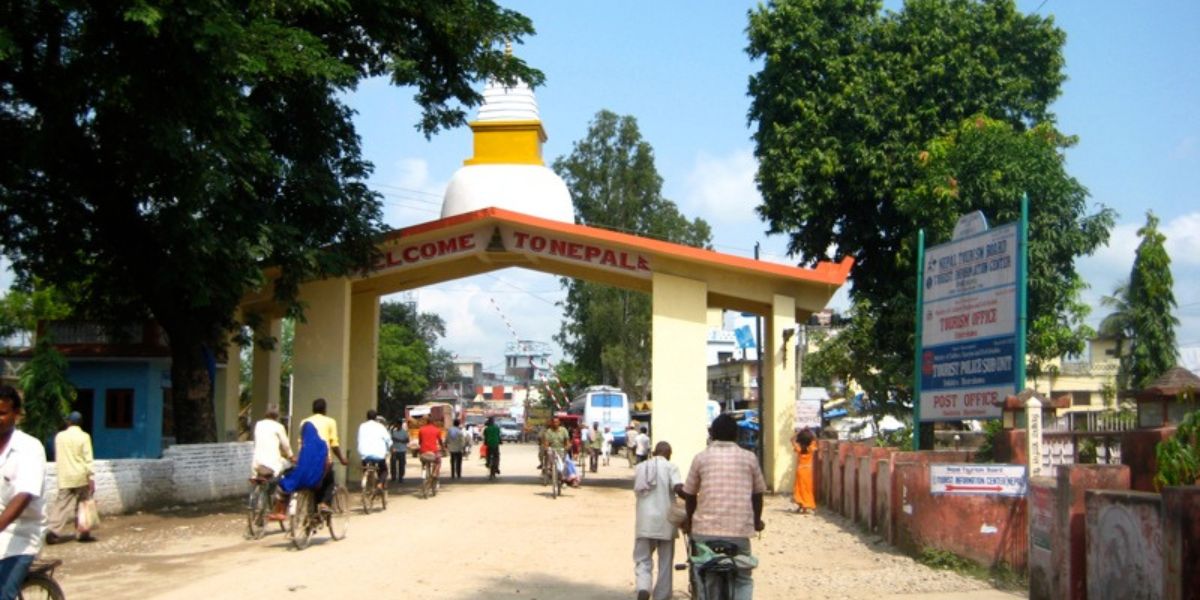
Sunauli is one of the most popular and designated ICPs, with both customs and immigration facilities. From the Nepal side, Pokhara is about 190 km via Palpa, and Chitwan is about 155 km.
Moreover, Lumbini is a short drive away, about 30 minutes from Bhairahawa airport and an hour's drive from the border.
So, this is the crossing I suggest for all Indian travellers who already plan to visit Lumbini, Pokhara, Chitwan, Manang, and Muktinath, Mustang. You can explore these places before heading to Kathmandu and choose the Raxaul route to exit Nepal later.
Moreover, Sunauli is also the busiest of all six crossings. In fact, around 5,000 Indians enter Nepal through Belahiya every day!
During holidays, Indian tourist vehicles entering here rise from about 600 a day to as many as 1,200.
Good news for drivers! An integrated check facility at Belahiya now completes all checks in one place, so Indian drivers no longer face repeated vehicle searches.
Raxaul-Birgunj (Bihar)
Raxaul is the main entry point for central Nepal and the shortest road route to Kathmandu.
The border is about 145 km from Kathmandu, and the road trip takes roughly 5 to 6 hours.
Birgunj is also Nepal’s busiest trade gateway, and it handled nearly half of the country’s imports in the first quarter of fiscal year 2026/27. So, expect more trucks and traffic at this crossing!
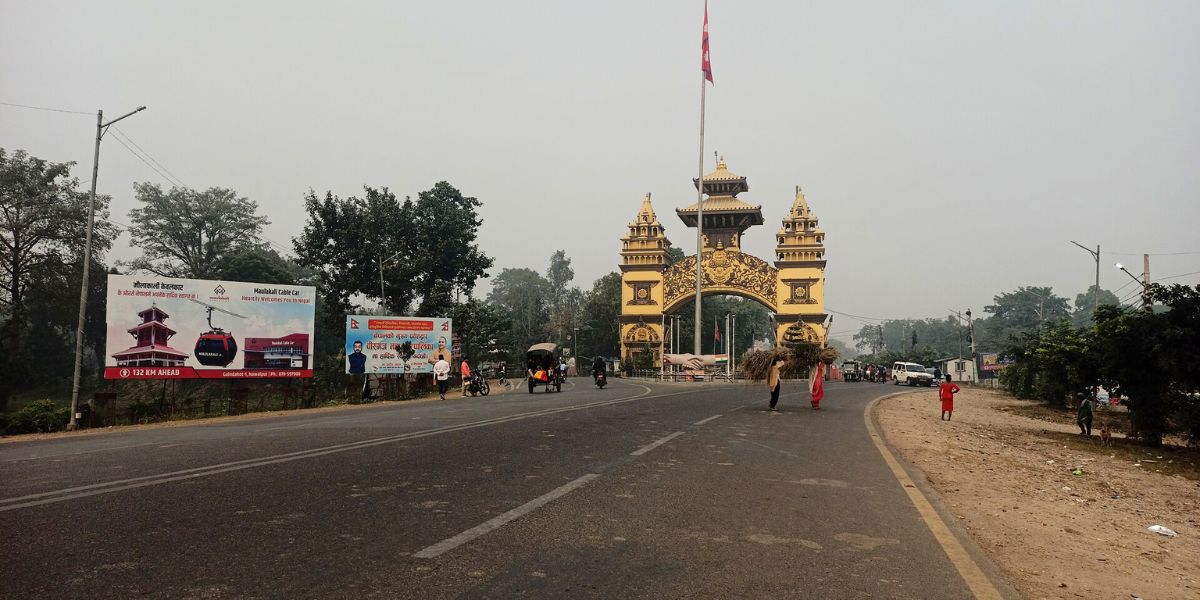
Raxaul also became India’s first land port to accept e-Visa holders in December 2025, which matters if you are travelling with a foreign friend.
And if you lose your documents, the Consulate General of India in Birgunj is only about 4 km from this border, close to the Ghantaghar (clock tower).
Remember that Bihar’s elections can close this border, as happened in November 2025.
Panitanki-Kakarbhitta (West Bengal)
This is the gateway to eastern Nepal. The Indian railway hub is New Jalpaiguri (NJP), and the distance to Kathmandu from Kakarbhitta is about 450 km (by the shortest route, via the Mahendra and BP highways).
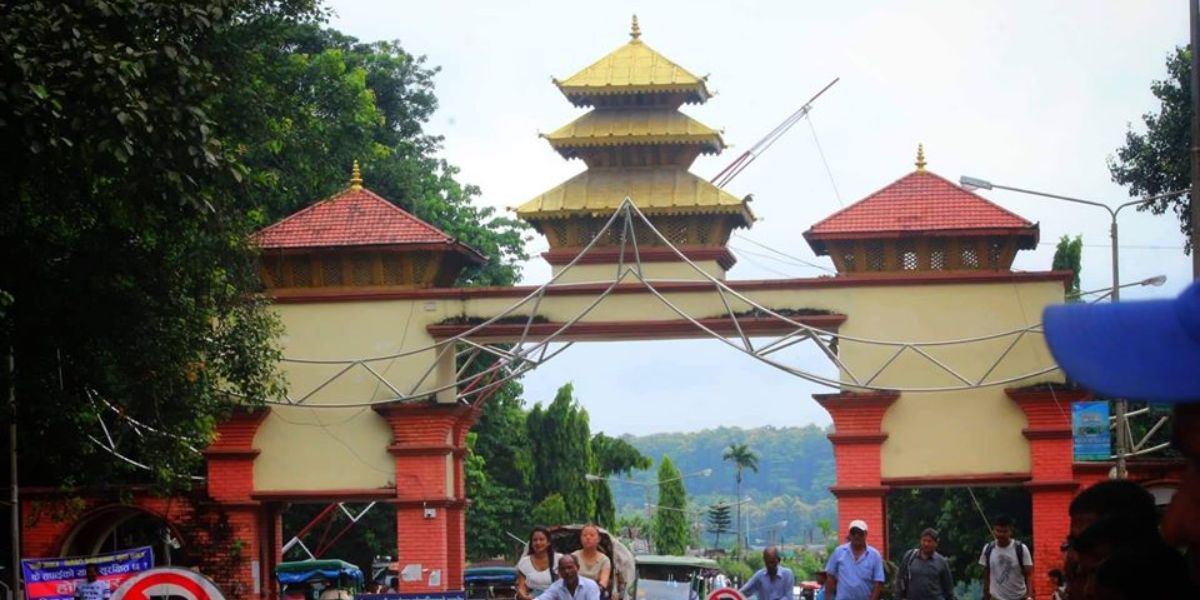
Moreover, Siliguri is about 30 km from Panitanki, and the ride takes 45 minutes to an hour. From the Nepal side, travellers go to Birtamod first and then to the tea hills of Ilam.
This is the gate for travellers from Siliguri, Darjeeling, and Sikkim. Bagdogra Airport is about 45 minutes from Kakarbhitta, and Darjeeling is around 4 hours away.
From Kakarbhitta, a bus to Kathmandu takes about 13 to 15 hours, so many travellers use the Bhadrapur Airport instead.
Jogbani-Biratnagar (Bihar)
Jogbani has its own railway station right next to the border, which makes it easy for train travellers. It is an ICP established in 2020 and leads to Biratnagar in Koshi Province.
Kathmandu is about 385-390 km from here (by the shortest route, via the Mahendra and BP highways), so note that this is a crossing for eastern Nepal, not for the capital.
Biratnagar is just 7 km north of the border, and about 3,000 passengers are estimated to cross here on foot every day!
Only passengers and small private vehicles cross at Jogbani itself, since cargo trucks are diverted to the Biratnagar ICP.
Siliguri is about 142 km away, and Bagdogra airport is about 136 km away, so this crossing suits travellers from Bihar’s Seemanchal side and North Bengal.
Koshi Tappu Wildlife Reserve is Nepal’s only wildlife reserve, and it is best known for birdwatching, wild water buffalo, and other wildlife.
Rupaidiha-Nepalgunj (Uttar Pradesh)
Nepalgunj city is about 5 km north of the border, and Rupaidiha has a market just beyond the crossing!
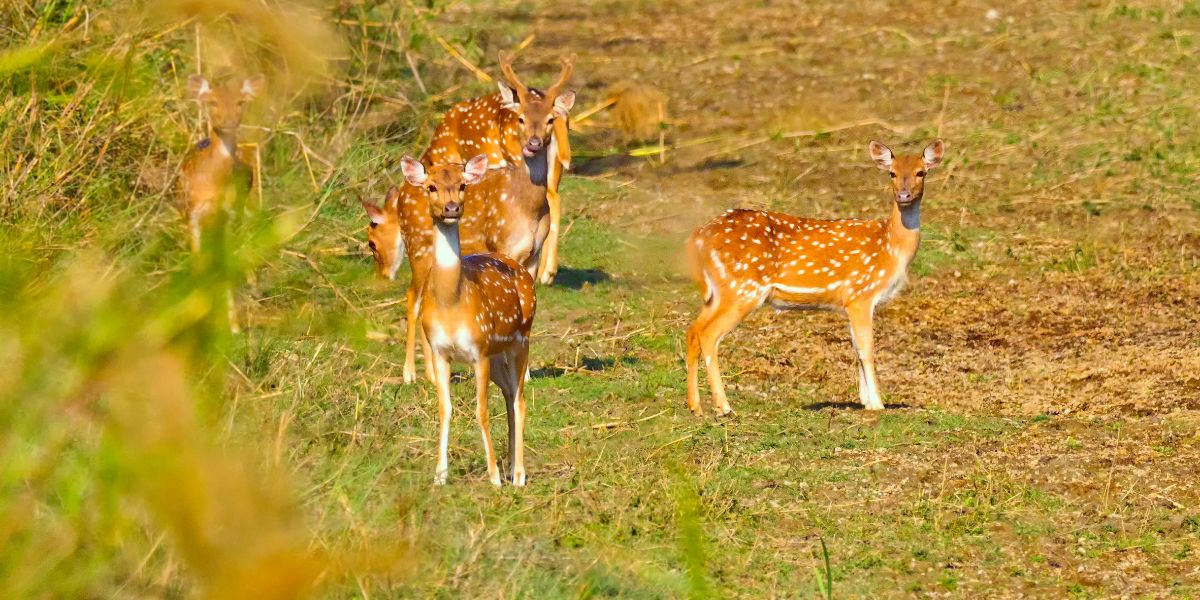
Bardiya National Park is about 75 km and 2 hours from Nepalgunj. UPSRTC has also started bus services from Rupaidiha to New Delhi and Lucknow. That means those planning to visit western Nepal can opt for this border!
Nepalgunj is also a gateway for Indian pilgrims heading to Kailash Mansarovar from the Hilsa border. In fact, approx. 3,780 Indian pilgrims flew from Nepalgunj to Simikot in Humla in 2026 on that route!
Broad-gauge trains now reach Rupaidiha, so you can take a train and then fly from Nepalgunj to Kathmandu or Pokhara.
Banbasa-Mahendranagar/Gaddachauki (Uttarakhand)
This is the far-western crossing. It is about 715 km from Kathmandu, and the nearest railway is Banbasa or Tanakpur.
Shuklaphanta National Park is the main reason to use it, and Mahendranagar’s main bazaar is only about 3 km from the park entrance!
The Sharda Barrage bridge that you cross here is nearly a century old, and it has been weakening. The practice is to stop four-wheelers when the river flow crosses 100,000 cusecs.
So, if you are driving a car, I suggest checking the river and bridge status before you set out, and especially during the monsoon!
Mahendranagar also attracts Indian visitors for its three casinos, besides the nearby underrated Shuklaphanta National Park.
Other India-Nepal Crossings Worth Knowing About
The six crossings above are the main ones, but a few others also see Indian travellers. These are mostly smaller crossings, and rules can change quickly at them. So, I suggest sticking to the main customs points if you are driving:
- Jaynagar-Inarwa (Bihar): This is the rail crossing for Janakpur. Passengers must carry their identity documents.
- Krishnanagar and Maryadpur (near Kapilvastu): Together, these two receive around 500 Indian vehicles a day, and more than 280 vehicles enter at Krishnanagar daily. Krishnanagar connects to the Mahendra Highway, with roads to Butwal and Bhairahawa.
- Thori (Parsa): This is the quieter way to Chitwan and Parsa National Parks, and thousands of Indian tourists visit here every year! But Indian four-wheelers were stopped for nearly three weeks in June and July 2026, and entry resumed with a free facility pass. Before this, they had to go 60 to 70 km to Birgunj.
- Gauriphanta-Mohana (Dhangadhi): This is the far-western gateway, about 630 km from Kathmandu.
- Pashupatinagar-Sukhia Pokhari (Ilam hills): This is a minor crossing about 2 km from the border on the Darjeeling-Mirik road, where Indian and Nepali nationals cross without restriction.
- Bhitthamore-Jaleshwar (Sitamarhi to Mahottari): This is the local crossing for the Janakpur region.
Border Opening Hours and Immigration Timings
There is no single timing for all crossings, and hours often differ between general pedestrian/vehicle movement and formal immigration clearance for foreign nationals. Treat the table below as a guide and verify locally (or by contacting us) before you travel!
|
Crossing
|
Reported Hours
|
Notes
|
|
Raxaul-Birgunj
|
5:00 AM to 11:00 PM
|
Extended in January 2025 from the earlier 6:00 AM to 10:00 PM schedule, after the Birgunj Chamber of Commerce and the Indian Consulate pushed for hours that match Nepal’s customs.
|
|
Sunauli-Belahiya
|
Open 24 hours for walking; vehicles stop from 10:00 PM to 6:00 AM
|
Foreign visitors queue at the immigration office for visas, but Indian tourists are not put through the immigration process or passport stamping at Belahiya.
|
|
Panitanki-Kakarbhitta
|
Open until 10:00 PM (general crossing)
|
Customs operating hours at this crossing can be extended to 6:00 AM to 10:00 PM when truck traffic is heavy.
|
|
Jogbani-Biratnagar
|
Reportedly open 24 hours for pedestrians; vehicles stop after 10:00 PM
|
Mainly a passenger crossing. Cargo is diverted to the nearby Biratnagar ICP, and only passengers and small private vehicles cross here.
|
|
Rupaidiha-Nepalgunj
|
6:00 AM to 10:00 PM (general crossing; checkpoints may restrict movement after evening)
|
Nepal’s Jamunaha immigration office fully reopened arrival and departure services for third-country tourists in July 2026, after nearly six years.
|
|
Banbasa-Mahendranagar
|
Open for people on foot and two-wheelers, but four-wheelers can be halted at any time.
|
The Sharda Barrage (Banbasa) bridge stops four-wheeled traffic whenever the Mahakali’s flow crosses 100,000 cusecs, and in September 2026 this stopped cars for six to nine days. The bridge is nearly a century old, and loaded vehicles are not allowed on it.
|
Even where a border is open, the services are not! Immigration and customs counters have their own timings, and the hours for vehicle entry can differ from the hours for pedestrians. So, I suggest crossing in daylight, ideally before noon, so you can finish formalities and still find onward transport.
Remember to check the Indian election calendar too. Elections can seal borders . It has happened in the past , including in 2026 . For example, the Kakarbhitta-Panitanki crossing was closed to people as well as vehicles for 72 hours during the West Bengal assembly elections in April 2026!
The Birgunj-Raxaul crossing was also completely shut down in November 2025 for the second phase of the Bihar elections. Only Indian citizens with documents were able to walk across, and vehicles were also stopped.
Which India-Nepal Border Is Best for Your Destination?
One rule decides most of this: choose the border closest to your first destination, not the one closest to your home. Entering at the wrong crossing can add a full day of driving!
|
Your destination
|
Best border
|
Why?
|
|
Kathmandu
|
Raxaul-Birgunj
|
Shortest road
|
|
Pokhara
|
Sunauli-Belahiya
|
About 190 km from the border via Palpa
|
|
Lumbini
|
Sunauli-Belahiya
|
About 30 km from the border
|
|
Chitwan
|
Sunauli or Raxaul
|
Depends on where you start
|
|
Ilam and eastern Nepal
|
Panitanki-Kakarbhitta
|
Closest from Siliguri
|
|
Biratnagar
|
Jogbani-Biratnagar
|
Railway station at the border
|
|
Bardia
|
Rupaidiha-Nepalgunj
|
About 75 km from Nepalgunj
|
|
Shuklaphanta
|
Banbasa-Mahendranagar
|
Bazaar 3 km from park entrance
|
Documents Required for Indians to Travel to Nepal by Road
Here’s the short answer: Carry your original passport or your original voter ID card. That is the safest choice, whatever your age or whichever crossing you use. For further details, continue reading!
Which Identity Documents Are Accepted at the Nepal Border?
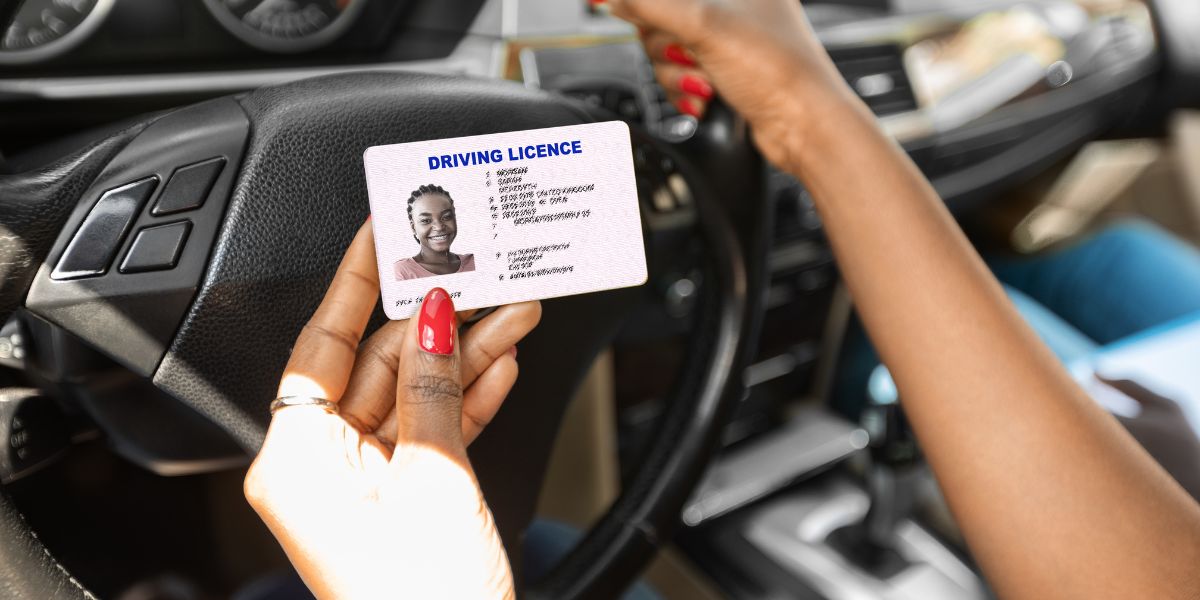
According to the Indian Embassy in Kathmandu, only two documents are valid for Indian nationals travelling between India and Nepal by air: a valid Indian passport or an original voter ID card with a photograph.
It also states that a downloaded or online-printed voter ID is not acceptable. The Embassy adds that Aadhaar, PAN card, driving license, and Indian Embassy registration are also not accepted for travel to Nepal.
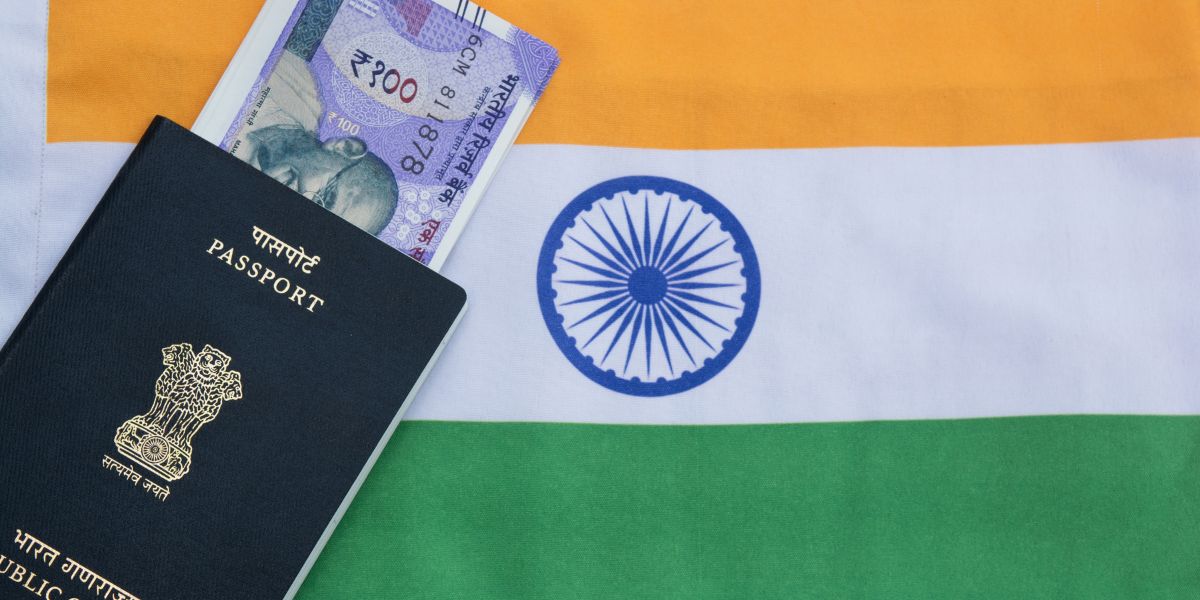
The land border is where it gets confusing. Authorities have started to tighten checks, and only travellers carrying a voter ID, passport, or another valid government identity document are allowed to enter or exit, and those with only Aadhaar are denied!
Moreover, the Home Ministry has also ordered Indians crossing by land or air to show one ID specified in the Visa Manual.
Officers on the Indian side are also doing both physical and digital verification of documents at some border posts.
And in case you lose your documents in Nepal, the Indian Embassy can issue an emergency or identity certificate for the return.
Can Children Travel to Nepal Without a Voter ID Card?
Yes, they can! A voter ID is issued only to adults, so the adult ID rule does not work for children. The rules for children depend on their age:
- Below 15 years: exempt from the approved ID list, but they must carry a document with a photograph to confirm age and identity.
- 15 to 18 years: they can travel on an identity certificate issued by the school principal in the prescribed format.
While children below 10 do not need any ID to travel by air, I still suggest carrying a photo document for road travel.
So, here is what I suggest for each age group:
- Below 15: a document with the child’s photo and age (for example, a school ID), plus both parents’ original IDs. If the child has a passport, carry that too!
- 15 to 18 years old: the school identity certificate signed by the principal, plus a parent’s original ID.
Note: Carrying a birth certificate alone is risky. The rule asks for a document with a photograph, and a birth certificate does not carry one.
Documents Required for Senior Citizens
Indians above 65 are exempt from the approved ID list, but they must carry a document with a photograph that confirms their age and identity.
The Nepal Tourism Board lists a PAN card, driving license, or ration card with photo and age confirmation for elderly travellers.
So, if you are a senior traveller going by road, you may have some flexibility. But I still suggest carrying a passport or voter ID, with the PAN card or driving license as a backup!
Documents Required When Taking Your Own Car or Motorcycle
Nepal now requires all Indian vehicles to complete online registration, with the necessary documents, before entering. The online system was launched in May 2026 by the Department of Customs.
Once you register and pay online, you get a QR code by email, which you show at customs when you enter. The fee is NPR 600 per day for cars and NPR 200 per day for motorcycles.
If you overstay, the penalty is NPR 2,500 per day for cars and NPR 1,002 per day for motorcycles.
The Indian Embassy also notes that a vehicle visiting the nearest Nepali market area for a day does not require paying customs duty, but it must return the same day and hand the pass back at the Bhansar (customs) office.
So, you need to carry your vehicle registration certificate (RC), driving license, insurance papers, and your own ID, along with the QR code.
If you would rather not deal with this paperwork, the easier option is hiring a vehicle with a driver. And well, at Holidays to Nepal, we can help arrange this for you!
Note: Your Indian license is for your own vehicle. If you bring your own Indian-registered car or bike in after the customs formalities, your Indian license is accepted for tourist driving in Nepal. But it does not extend to a Nepali-registered or rented vehicle. To drive in Nepal, foreigners must hold a valid Nepali license or an international driving permit.
How to Travel from India to Nepal by Road: 5 Practical Options
There are five practical ways to do this: take a direct bus, drive your own car, ride your own motorcycle, hire a vehicle, or take a train to the border and continue by road.
Which one suits you depends on where you live and how much of the paperwork you want to handle yourself.
|
Option
|
Best for
|
Main catch
|
|
Direct bus
|
Solo travellers and those looking for budget trips
|
Runs only from a few cities
|
|
Own car
|
Those who want flexibility
|
Online vehicle registration and daily fees
|
|
Own motorcycle
|
Riders and small groups
|
Mountain roads, weather and paperwork
|
|
Hired vehicle
|
People who do not want the driving stress
|
Rules for rented vehicles may be unclear
|
|
Train plus road
|
Travellers from far-away cities
|
Two or three changes along the way
|
Direct Bus Services from India to Nepal
Direct buses do not run from every Indian state. They start from a few hubs, mainly Delhi, Uttar Pradesh, Bihar and Siliguri.
The best-known is the Delhi Transport Corporation’s Indo-Nepal Maitri Bus Sewa. It runs Volvo AC buses between Delhi Gate and Kathmandu, and it crosses the border at Sunauli.
DTC buses run on Mondays, Wednesdays, and Fridays, while Nepal’s Manjushree Yatayat runs on the other days. The listed fare is about INR 2,800 from Delhi, and the DTC bus leaves from the Dr. Ambedkar terminal at 10:00 AM.
The distance is about 1,180 km, and the journey takes about 25 to 30 hours, depending on the day and the border queue.
If you’re really eager to use this service, kindly stay updated with the DTC’s website or their social media before booking. I would not buy a non-refundable ticket without doing this first!
Other routes exist, but the schedules depend on the operator. For instance, buses from Varanasi, Lucknow, Patna, Raxaul, and Siliguri may be available as well.
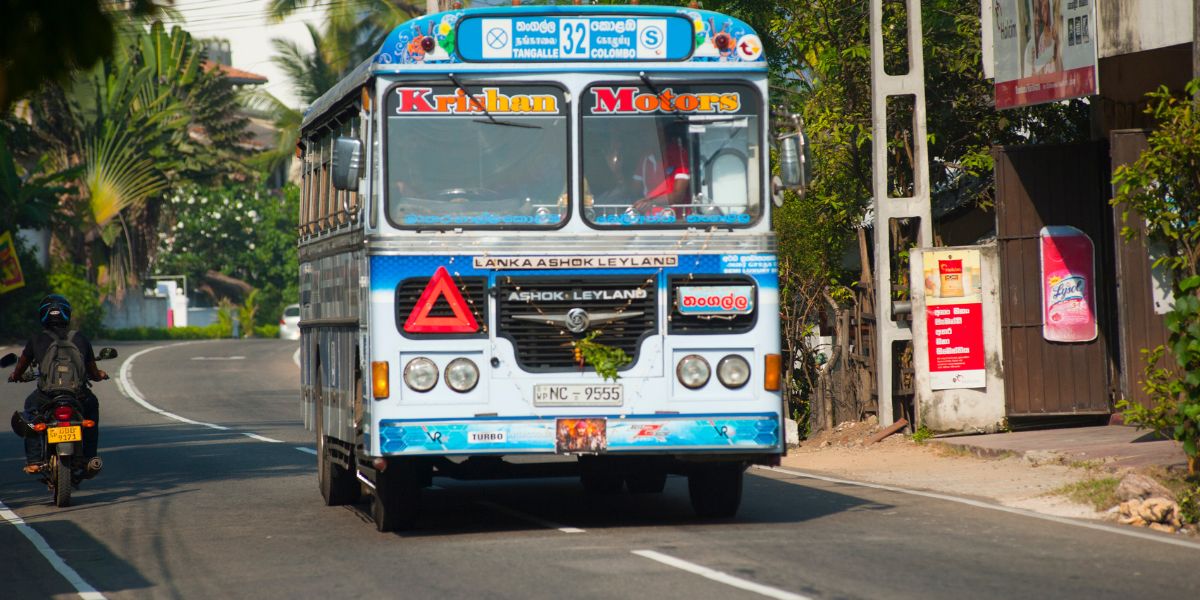
For Pokhara, a regular direct Gorakhpur to Pokhara bus also operates, but only limited ones are available.
Honestly speaking, direct buses from India to Nepal can be a little unreliable. So, I suggest planning to reach Sunauli first, cross, and board a bus from Belahiya/Bhairahawa. Pokhara is about 7 to 8 hours from the Sunauli side, and buses are available there too!
Or if you’re close to Raxaul and want to reach Kathmandu, then this border would be the better choice.
Traveling to Nepal in Your Own Car
Yes, you can take your own Indian-registered car to Nepal, as vehicles with Indian registration are allowed in once the customs duty is paid.
But do note that the stay is capped. An Indian vehicle cannot stay in Nepal for more than one month (30 days), even if you are willing to pay the extra charges.
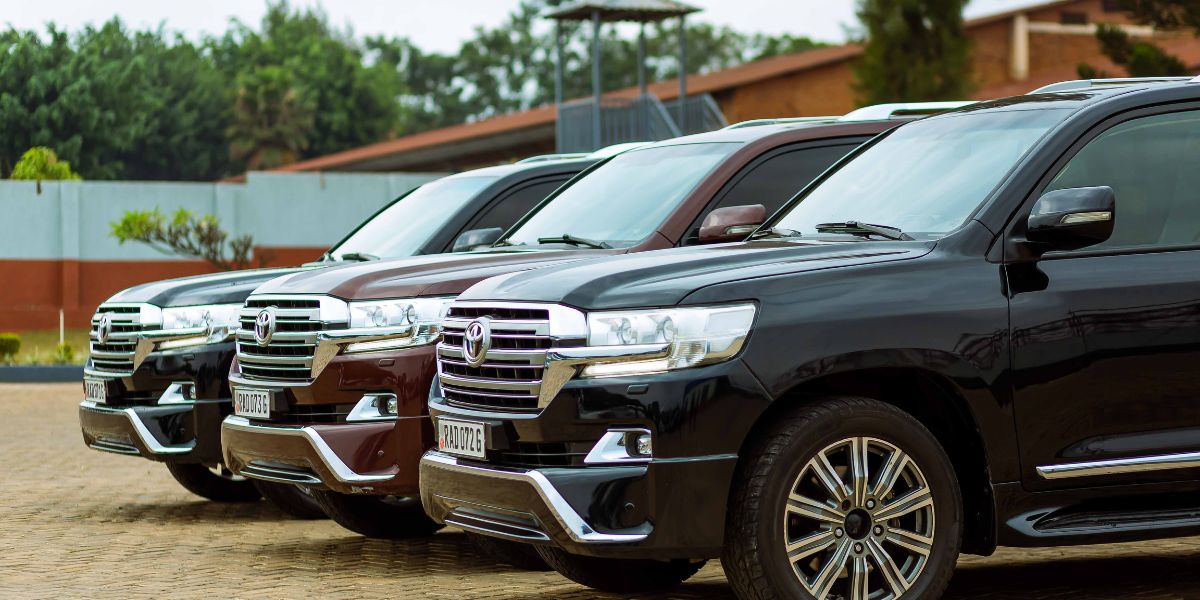
Now here’s some good news for drivers coming from Delhi and Uttar Pradesh. The 79.54 km Gorakhpur-Sunauli highway is being upgraded to four lanes, and it is already 89% complete with a target to finish by the end of 2026. Once it opens, the drive from Delhi to the Nepal border should take around 8 hours, compared with 13 to 14 hours at present.
And there is one more thing that makes it easier for Indian drivers. Nepal also drives on the left side of the road, just like India!
Traveling to Nepal on Your Own Motorcycle
Motorcycles follow the same system as cars, just with a lower fee. For an Indian motorcycle you pay NPR 200 per day, and if you overstay, the penalty is NPR 1,002 per day.
The day-visit rule also applies to Indian two-wheelers, so you can visit the nearest Nepali market area without paying any duty.
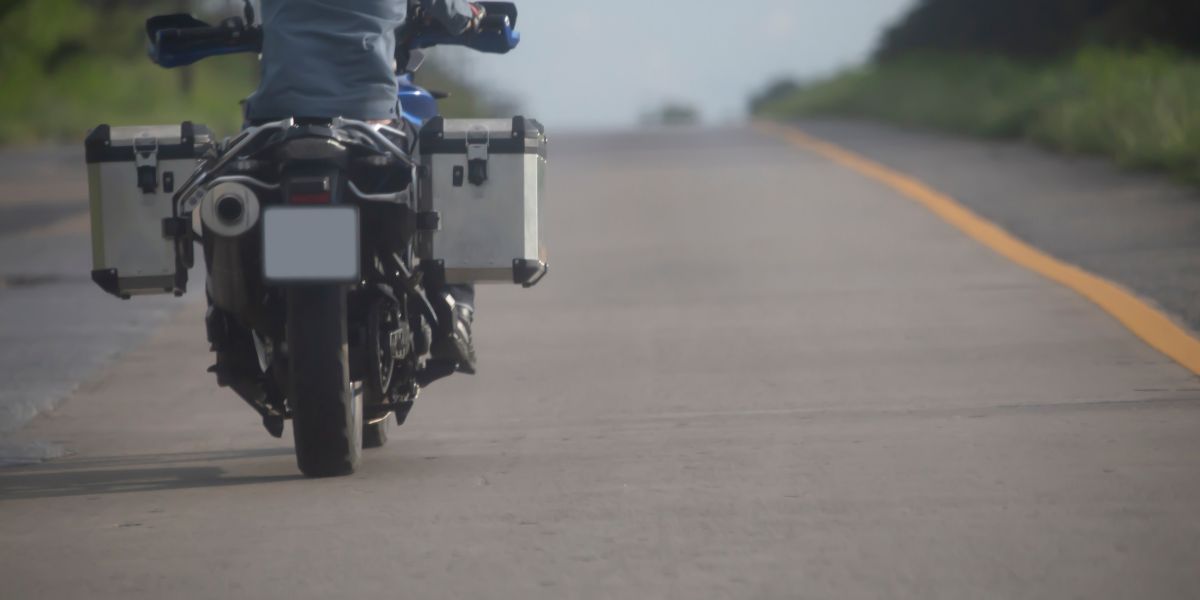
Do carry your original RC, insurance, PUC certificate, and a valid riding license with you. I also suggest wearing a full-face helmet and proper riding gear (it’s for your own safety, after all), avoiding rides after dark, and planning your fuel stops in advance, since petrol pumps become sparse once you are in the hills!
Renting a Vehicle in India and Driving It to Nepal
It is possible in some cases, but the legal rules are not very clear. There is no bilateral motor vehicle agreement between India and Nepal. Vehicle movement works on an understanding from the 1960s!
Nepal’s customs system registers the vehicle with its details online, so a rented car or motorcycle must be registered like any other Indian vehicle.
What I suggest is to ask the rental company in writing whether it allows Nepal and to carry written permission from the owner. The cleaner options are a chauffeur-driven vehicle or a vehicle arranged on the Nepal side of the border.
At Holidays to Nepal, we can arrange a private vehicle with a driver from Sunauli or Raxaul, so you skip the permit step completely.
Train to the Indian Border and Continue by Road
This works best for travellers from far-away cities like Mumbai, Bengaluru, Chennai, or Kolkata. You take an Indian train to the nearest railhead, cross the border by local transport, and then continue by road once you are in Nepal.
Here are the railheads for each border:
|
Border
|
Railhead
|
|
Sunauli-Belahiya
|
Gorakhpur
|
|
Raxaul-Birgunj
|
Raxaul
|
|
Panitanki-Kakarbhitta
|
New Jalpaiguri (NJP)
|
|
Jogbani-Biratnagar
|
Jogbani
|
|
Rupaidiha-Nepalgunj
|
Nanpara or Nepalgunj Road
|
|
Banbasa-Mahendranagar
|
Banbasa or Tanakpur
|
India has completed the survey and project report for a 136 km Raxaul to Kathmandu railway, but the approvals are still pending. So for now, you cannot take a train all the way to Kathmandu! Read my “Closest Railway Stations to Kathmandu” guide to understand the best way to get there by train followed by road.
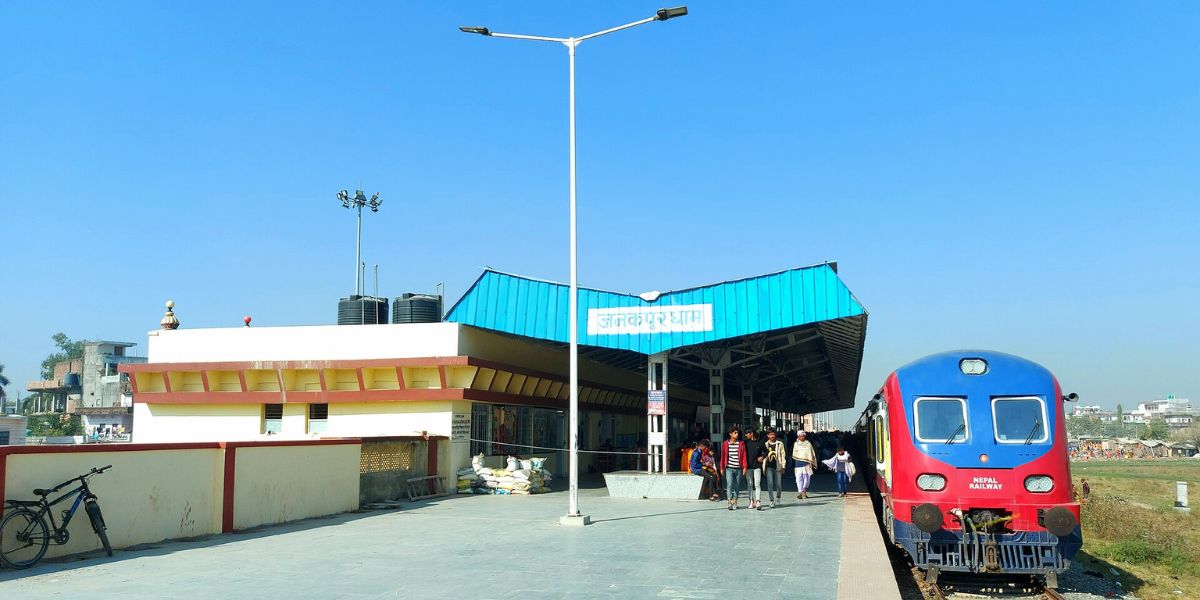
There is also a weekly Ayodhya to Janakpur train (with stops at Raxaul and Gorakhpur) that is expected to be inaugurated by late November 2026. That is great news for pilgrims who want Janakpurdham in their Nepal itinerary.
Can You Combine a Train Journey with a Domestic Flight in Nepal?
Yes, you can! It’s possible to take a train to Gorakhpur, go by road to Sunauli, cross to Bhairahawa, and fly to Kathmandu or Pokhara. You can also do this through Simara after crossing at Raxaul.
Airlines fly from Bhairahawa’s Gautam Buddha Airport (30 to 35 minutes) or Pipara’s Simara Airport to Kathmandu (15 to 20 minutes). You’ll also get flights from Bhairahawa to Pokhara, which takes about 20 minutes.
But the real question is - does this save your money? Honestly, not always!
A direct Delhi to Kathmandu flight takes under 2 hours, and cheap fares start at about INR 6,000 and can reach INR 12,000+.
Add a train ticket, a cab to the border, and a Bhairahawa flight, and the total often lands close or even more than the direct flight.
So, I suggest this combination for people who live near Gorakhpur, Varanasi, or Lucknow and cannot easily find a cheap direct flight. It also works for travellers who are tight on time in Nepal but want to see the border towns.
If you are coming from Delhi and only care about the fare and time, flying directly would be the optimal choice!
How Much Does It Cost?
There is no single price for your Nepal trip via road. Your cost depends on how you travel, which border you use, and how many days you spend in Nepal.
So, instead of giving you one misleading number, I have broken the costs down piece by piece and then put them together into sample budgets.
Note: Please treat all of these figures as rough estimates. I suggest adding a little buffer on top, because the final cost depends on several factors. These include peak season, festival rush, the bus or flight class you choose, and how late you book.
First, the Easy Part: Converting Prices
Most prices in Nepal are quoted in Nepali rupees (NPR). The good news is that the exchange rate is fixed, so converting is easy! The Nepal Rastra Bank fixes the rate at NPR 160 for every INR 100.
So to convert any NPR price into rupees, just divide by 1.6. I have done this for you in the sections below.
Transport Costs in India
If you take the train to the border, your first big cost is the ticket! For instance, a Delhi to Gorakhpur sleeper ticket starts at about INR 390.
AC fares are higher! A 2AC ticket starts at about INR 1,505 and a 1AC ticket at about INR 2,515 on the same route.
For the last stretch, the lowest fare of the buses that run from Gorakhpur to Sunauli starts at INR 155. The ride takes about 3.5 hours, and if you pick AC or Volvo buses, the cost increases!
If you prefer a private car for this stretch, a Gorakhpur to Sonauli transfer is from about INR 4,000 to 6,000 depending on the type of vehicle.
Well, if you skip the train and take the direct bus, the DTC Delhi to Kathmandu Maitri bus costs about INR 2,800 one way.
Transport Costs in Nepal
Honestly speaking, public transport has gotten costlier in 2026 here in Nepal! Here are some reference points:
- A Kathmandu to Pokhara bus starts at about NPR 800 (INR 500) and can go above NPR 2,000 (INR 1,250), depending on the bus type.
- A Kathmandu to Birgunj bus is about NPR 800 (INR 500) to NPR 1,500 (INR 940) depending on the operator.
- For Lumbini, a taxi from Bhairahawa takes about 20 minutes and costs NPR 600 to 800 (about INR 375 to INR 500).
- If you decide to fly, remember that domestic airfares have gone up sharply since 2026. Airlines raised fuel surcharges in April, and the lowest Kathmandu to Bhairahawa fare reached NPR 7,000, with the highest fare going above NPR 11,000.
Vehicle Costs: Bhansar and Fuel
If you take your own vehicle, the customs fee is charged per day. I already mentioned the cost earlier.
Fuel is the next thing to plan for, and it is not cheap for sure! Expect petrol in Nepal to cost around NPR 200 per liter. That is about INR 125 per liter. Much better if you fill your tank in India before you cross.
Sample Budgets by Travel Style
Let me give you an example for a Delhi to Kathmandu trip, one way, per person to understand this better. These figures cover transport only.
|
Travel style
|
What you pay for
|
Rough transport cost
|
|
Direct bus
|
DTC Maitri bus from Delhi Gate
|
About INR 2,800
|
|
Train and bus
|
Delhi to Gorakhpur (sleeper), a bus to Sunauli, then a Nepal bus
|
About INR 545 to INR 600 in India, plus the Nepal bus fare
|
|
Train, road and flight
|
Train to Gorakhpur, bus to Sunauli, flight from Bhairahawa
|
About INR 4,600 to INR 8,500
|
|
Direct flight
|
Delhi to Kathmandu
|
About INR 6,000 to 12,000+
|
|
Own car
|
Bhansar fee, plus fuel
|
INR 375 per day, plus fuel
|
|
Own motorcycle
|
Bhansar fee, plus fuel
|
INR 125 per day, plus fuel
|
The train, road, and flight figures add that same train and bus cost to the Bhairahawa flight. The direct flight range comes from INR 6,000 to 12,000+.
So, the cheapest way is the train and bus combination. The direct bus is next, and a flight is not always much dearer than a train plus a flight!
Costs People Often Forget
These are the small costs that add up!
- Shopping across the border: Nepal has started charging customs duty on goods worth more than NPR 100 brought across the border.
- Hotels and food: Indian tourists usually book two-to-three-night packages at each destination. As a rough anchor, an average tourist spends NPR 3,000 to 4,000 per day in Nepal.
- Bad luck costs: Road blocks and delays can add a night of accommodation.
Essential Nepal Road Travel Tips
You have chosen your border, sorted your documents, and picked your transport. Now, here are some practical details that many might miss, and I’m sure will help save you from a bad day on the road!
Currency and Indian Rupee Exchange Rules
Nepal Rastra Bank reissued its notice on 23 July 2026. Indian and Nepali citizens can now carry Indian INR 200 and INR 500 notes issued on or after 9 November 2016, up to INR 25,000 per person.
But note that older notes are still banned! Indian INR 500 and INR 1,000 notes issued before 9 November 2016 remain prohibited in Nepal.
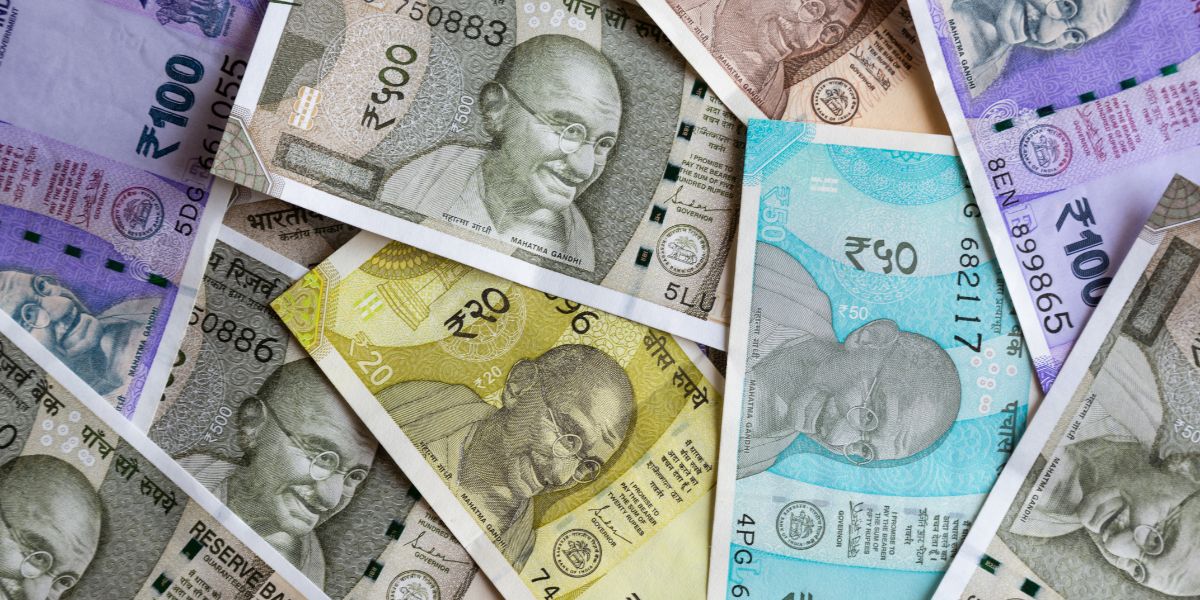
The INR 25,000 cap applies to notes above INR 100. The rest of your cash should be in INR 100 notes or smaller!
Another good thing is the exchange rate. It is fixed, and Nepal Rastra Bank sets it at NPR 160 for every INR 100.
So, what do I suggest? Well, carry a mix of INR 100 notes and some Nepali rupees for small shops and local buses. Keep your INR 500 notes within the INR 25,000 limit.
Can You Use UPI in Nepal?
Yes, to a good extent! NPCI International and Fonepay launched UPI payments in Nepal in March 2024, and merchants on the Fonepay network can accept UPI payments from Indian customers.
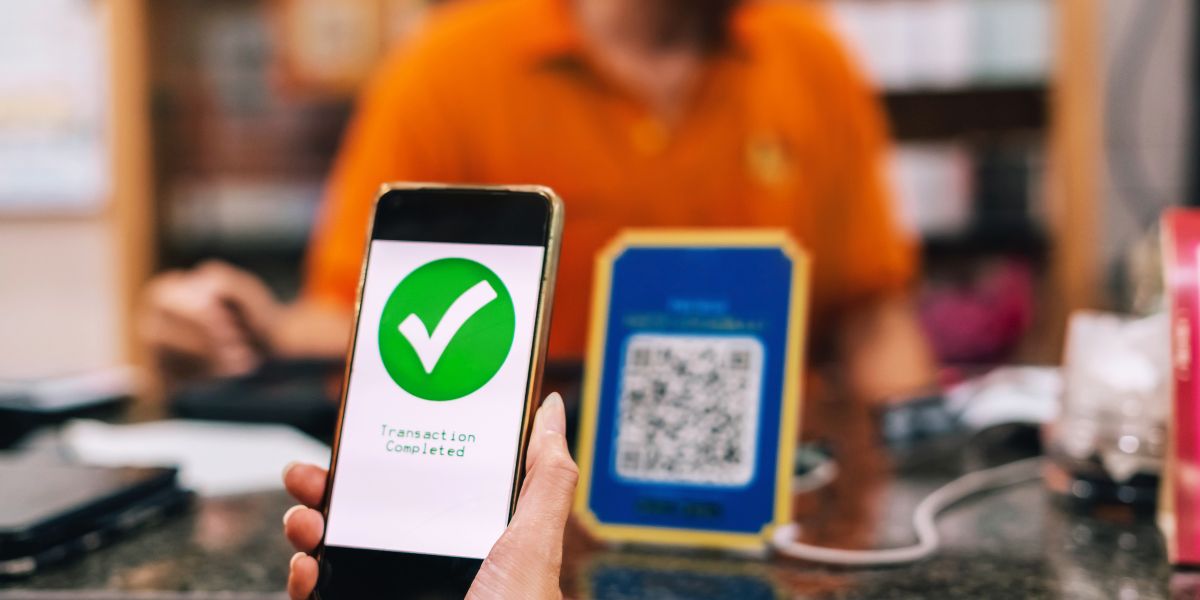
Indian visitors can scan QR codes at many merchants across Nepal. The network started in Kathmandu and is being expanded to Pokhara and other major tourist cities slowly.
But cash still matters, especially on highways and in small towns! NPCI’s general UPI limit is ₹1,00,000 per person per day, so keep that in mind.
Overall gist is that you may use UPI at hotels, restaurants, and shops that show a Fonepay QR. And keep cash for everything else!
Indian SIM Cards and Mobile Connectivity
Your Indian number may not work well in Nepal without a roaming pack. So, kindly check your operator’s international pack before you leave, since roaming rates depend on your home operator and its agreement with Nepali networks.
For a better deal, buy a local SIM from Ncell or Nepal Telecom (NTC). Ncell has the best 4G in Kathmandu, Pokhara, and the Terai, while NTC reaches further into remote areas.
Registration is required, so keep that in mind. While foreigners need a passport copy, photo, and visa copy, Indian citizens can use their voter card or an embassy card instead of a passport.
Driving in Nepal: What Indian Drivers Should Know
The first thing is a relief! Nepal drives on the left, the same as India, so there is no side switch.
Secondly, Nepal’s highways are affected by landslides every monsoon. In July 2026, seven major highways were completely blocked, and 12 others were partially affected.
Likewise, the Prithvi Highway was also blocked for 14 days in September after 100 meters of road collapsed at Krishnabhir in Dhading.
Authorities sometimes operate vehicles along the Tribhuvan Highway on a fixed timetable when the Prithvi and Kanti highways are disrupted. What I mean is that you need to be wary about these situations.
Now, here are some driving tips for you:
- Check road status before you leave: Authorities warn travellers to check road conditions before setting out.
- Avoid driving after dark: Night restrictions are common in the rainy months.
- Keep your pass with you at all times: The pass issued by Nepal Customs must be available for inspection by police and other authorities at all times.
- Fill up gas in India: Petrol in Nepal costs more than in most Indian states.
Best Time to Travel to Nepal by Road
For road travel, the weather matters more than the tourist season!
Nepal’s monsoon typically lasts from June to September, and it frequently triggers floods and landslides!
But do not assume that October is safe. Because even in late October 2026, rain again triggered landslides and washed away roads, with a section of the Prithvi Highway near Malekhu described as “dangerous” because a river was eroding the road from below.
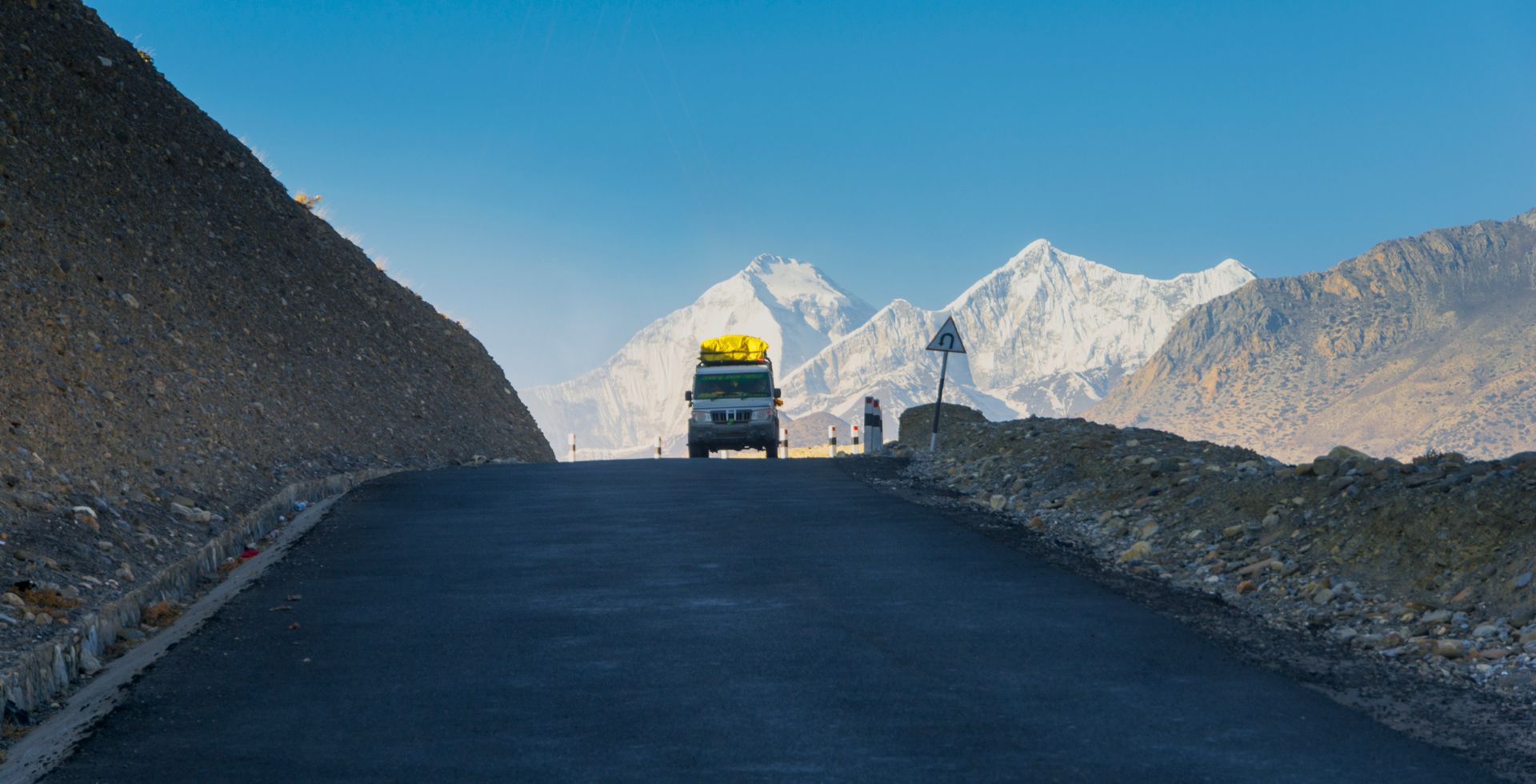
So, I suggest the dry months from late November to April for the most reliable roads. Still, check live reports even then.
Also, remember the crowd factor. During holidays in India, the vehicle rush at Belahiya gets doubled, and festivals like Dashain and Tihar bring high fares and heavy highway traffic.
Likewise, in winter, fog can slow Terai highways. So, no matter which season you’re planning to drive, respective factors should be kept in mind!
Border Crossing Scams and Common Mistakes to Avoid
Most problems at the border come from small mistakes, not big scams. Here are the ones to avoid:
- Buying bus tickets on the Indian side of Sunauli: The Indian side is comparatively more notorious for fake bus tickets, so book your onward ticket on the Nepal side.
- Carrying only an Aadhaar card: I’ve been mentioning this throughout the blog, so one more time! Border staff were directed in June 2026 to deny entry to those carrying only Aadhaar. You might be rejected, so please do carry your physical voter ID. Even a downloaded or online-printed voter ID is not acceptable!
- Skipping the vehicle pass: An Indian vehicle caught in Nepal without a valid pass is treated as illegally imported, and it can be seized and auctioned.
- Using minor crossings with a vehicle: In July 2026, hundreds of Indian tourists were stranded at the Thori crossing in Parsa after the Armed Police tightened restrictions on Indian tourist vehicles there. Take this example as a caution and kindly use the main customs points!
- Crossing late at night: I suggest crossing in daylight, so you can find transport and rooms on the other side.
- Staying informed and safe on the road: I suggest saving the Indian Embassy’s helpline numbers before you leave and following its advisories. The numbers are +977-980 860 2881 and +977-981 032 6134.
CAUTION: According to Nepal’s customs officials, many Indian tourists run into trouble because they are unaware of the cash limit, and carrying more than allowed can lead to seizure of the money and legal action.
Rules and Regulations to Follow
Many foreign travellers combine India and Nepal in one trip, so here’s a short note for those foreigners planning to use the road to get here. The open border rules in this guide are for Indian and Nepali citizens. Rules for foreign nationals are completely different!
Nepal Side
All visitors except Indian citizens need a visa for Nepal! The fees are USD 30 for 15 days, USD 50 for 30 days, and USD 125 for 90 days. The visa can be obtained on arrival for most nationals.
Land borders rarely have working card machines, so carry USD cash for the visa fee.
Moreover, visitors who arrive by road have traditionally been required to use designated entry points: Kakarbhitta, Birgunj, Belahiya (Bhairahawa), Nepalgunj, Dhangadhi, and Mahendranagar. Don’t think of other borders; just come to the one depending on your location and planned destination in Nepal.
With your own vehicle? Third-country visitors who bring their own vehicle into Nepal can also use the online registration system and pay the fees digitally.
India Side (If Coming Back From Nepal)
You need a valid Indian visa to return to India by land. India’s e-Visa is accepted at only some land crossings with Nepal. Raxaul, Rupaidiha, and Jogbani are on the list of land ports.
Raxaul became India’s first land entry point for e-Visa holders in December 2025. So, if you hold an e-Visa, plan to re-enter India through the same ports, and check the official entry list for any other crossing before you travel!
Final Thoughts
Travelling to Nepal by road from India is one of the few international journeys where you can still feel the distance. You step off a train in Gorakhpur or Raxaul, you walk across a line on a bridge, and within minutes the language, the money, and the geography start to change.
That is the charm! But as this guide shows, 2026 is also the year when the open border became a more organized one. IDs are checked, vehicles need an online registration, and roads need a weather check.
None of this is a reason to stay home. It simply means that the travellers who plan their documents and their route before leaving are the ones who enjoy the trip the most.
So, here is how I would put it all together:
- Choose your border by where you want to go first. Raxaul for Kathmandu, Sunauli for Lumbini, Pokhara, and Chitwan.
- Carry an original passport or voter ID.
- Pick your transport based on your budget and your patience.
- And add a little buffer to your cost estimates.
- Then, cross early, in daylight, and keep one eye on the road reports too!
And if you would rather want to skip the paperwork and the planning, that is exactly what we do at Holidays to Nepal.
From border pick-ups and private vehicles to custom itineraries covering Lumbini, Pokhara, Chitwan, and Kathmandu, we can handle the road part so you can enjoy the Himalayan part! Tell us where you are starting from, and we will plan the rest.


 Bhishu Acharya